Youth wrestling is often praised for building discipline, resilience, and mental toughness. But beneath the surface, a different reality can sometimes take shape one where young athletes feel pressure to stay silent, even when something feels wrong.
This is where toxic wrestling culture begins to develop.
In many cases, the issue isn’t just physical strain. It’s psychological conditioning. Wrestlers are subtly and sometimes directly taught that speaking up about pain, fear, or discomfort is a sign of weakness. Over time, this creates a silence trap that can impact both performance and long-term well-being.
What Is the “Pressure Trap” in Youth Wrestling?
The pressure trap is a context in which young athletes feel they cannot express concerns without consequences. This pressure is rarely obvious at first. It builds gradually through:
- Repeated exposure to fear-based coaching
- Normalization of extreme toughness expectations
- Social dynamics that reward silence and punish vulnerability
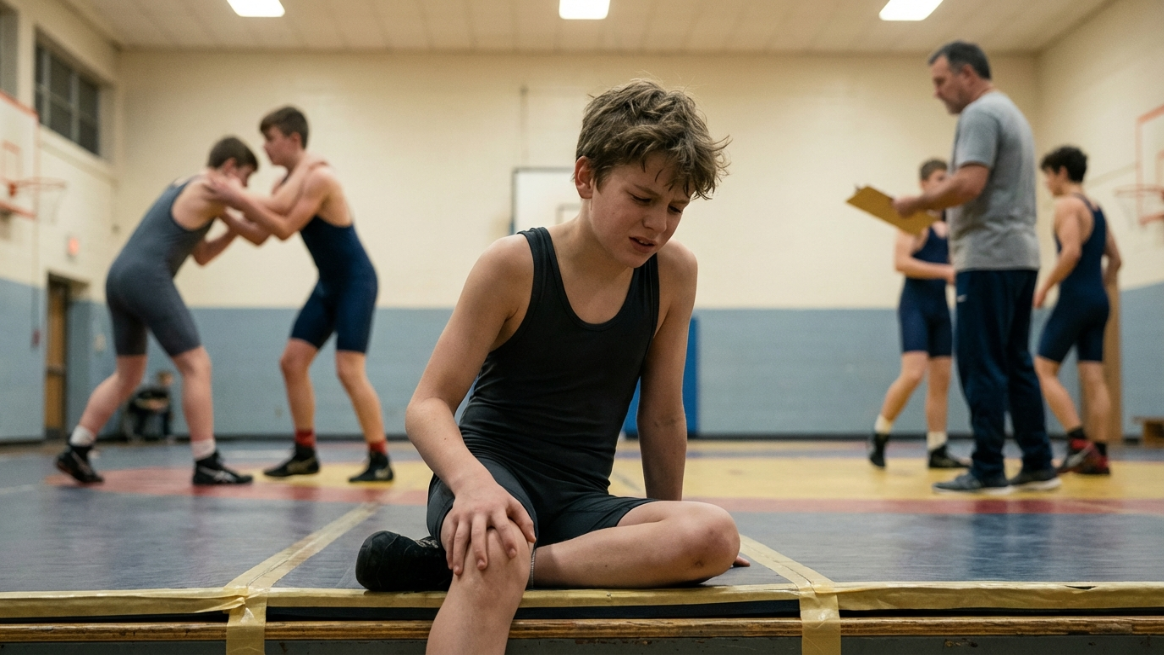
In these environments, athletes begin to internalize one message:
“If you speak up, you risk losing your place, your coach’s approval, or your team’s respect.”
That is the foundation of the pressure in youth wrestling.
How Toxic Wrestling Culture Gets Normalized
Not all intense coaching is harmful. But when intensity crosses into fear, intimidation, or control, it creates long-term damage. Here are the most common ways toxic wrestling culture becomes normalized:
1. Pain Is Treated as a Test of Loyalty
Young wrestlers may hear things like:
- “Champions push through pain.”
- “If you sit out, someone else will take your spot.”
This shifts the focus from safety to survival.
For a deeper look at injury risks tied to this mindset, see
Health, Injury, Weight Cutting & Safety Transparency.
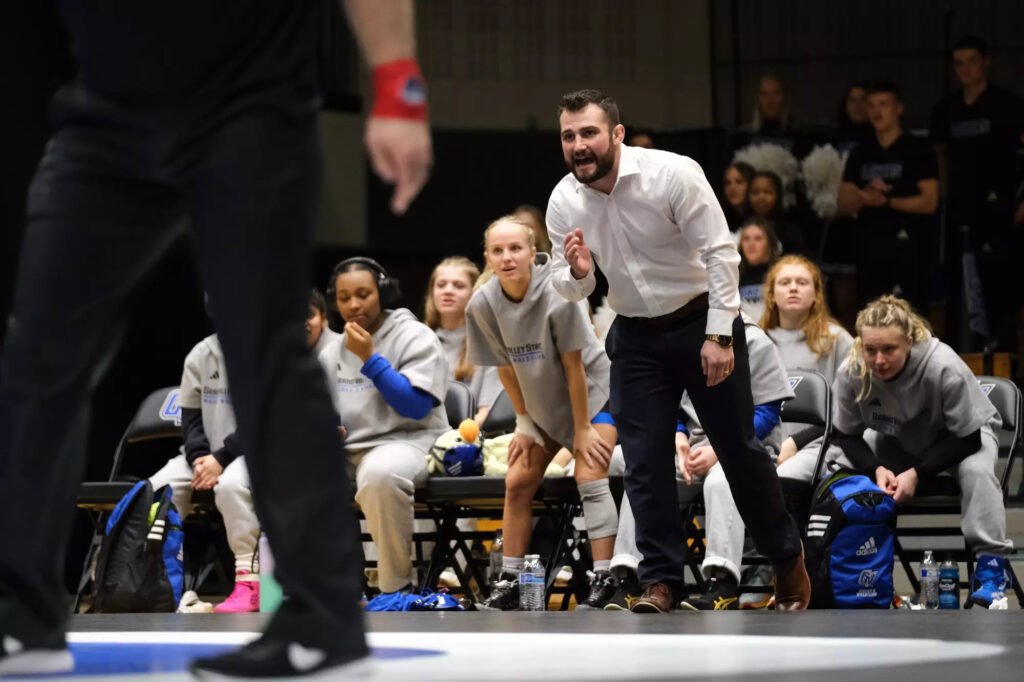
2. Fear-Based Coaching Becomes “Motivation.”
Some coaches rely on:
- Public shaming
- Threats of benching
- Verbal intimidation
While this may produce short-term results, it often leads to:
- Anxiety
- Burnout
- Emotional withdrawal
3. Silence Is Rewarded, Speaking Up Is Punished
Athletes who stay quiet are often labeled:
- “tough”
- “committed”
- “coach’s favorite”
Those who speak up may be seen as:
- weak
- difficult
- not serious about the sport
This creates a culture where silence becomes the safest option.
4. Emotional Struggles Are Ignored
Mental health is rarely discussed openly in many youth sports settings.
Yet signs of distress are often visible. If you want to understand these warning signs, read:
Spotting Emotional Red Flags in Young Wrestlers.
The Psychological Conditioning Behind the Silence
Over time, repeated exposure to pressure reshapes how young wrestlers think. This conditioning happens in stages:
Stage 1: External Pressure
- Coaches, teammates, and expectations create stress
- Athletes feel they must meet a certain standard
Stage 2: Internalization
- The athlete begins to believe:
- “Pain is normal.”“Fear is weakness.”
- “Speaking up will cost me”
Stage 3: Self-Silencing
- The athlete no longer needs external pressure
- They silence themselves automatically
This is where the real danger lies because once silence becomes internal, it’s much harder to break.
Real Risks of Staying Silent
Ignoring pain, fear, or unsafe coaching doesn’t just affect performance. It can lead to serious consequences:
Physical Risks
- Undiagnosed injuries
- Long-term joint damage
- Chronic fatigue and overtraining
You can explore how unsafe practices impact athlete health here:
Safe Wrestling Training Standards for Young Wrestlers.
Emotional and Psychological Risks
- Anxiety and fear of failure
- Loss of confidence
- Emotional burnout
- Disconnection from the sport
Long-Term Impact
- Negative relationship with competition
- Avoidance of physical activity later in life
- Difficulty trusting authority figures
Signs a Young Wrestler Is Caught in the Pressure Trap
Parents and guardians should watch for subtle but important signs:
- Avoiding conversations about training or coaches
- Sudden drops in enthusiasm for the sport
- Increased irritability or withdrawal
- Training through visible injuries
- Fear of disappointing the coach
For a broader checklist before choosing or evaluating a club, refer to:
A Parent’s Checklist for Vetting Any Wrestling Club
Breaking the Silence: What Healthy Coaching Looks Like
Not all wrestling environments are harmful. In fact, the best programs actively prevent this kind of pressure culture. Healthy coaching environments include:
- Open communication without fear of punishment
- Clear injury protocols and recovery time
- Encouragement of mental well-being
- Respect for athlete boundaries
- Accountability and transparency
These environments don’t weaken athletes. They build stronger, more resilient competitors, both physically and mentally.

What Parents and Athletes Can Do
If you suspect a toxic environment, here are practical steps:
For Parents
- Ask specific questions about training methods
- Observe practices when possible
- Encourage honest conversations at home
- Trust behavioral changes, not just words
For Young Athletes
- Understand that speaking up is not weakness
- Report injuries early
- Seek support from trusted adults
- Know that your well-being matters more than any match
Final Thoughts: Strength Should Never Require Silence
Wrestling is a demanding sport. It requires discipline, grit, and commitment.
But true strength is not built on fear or silence.
When young athletes are conditioned to ignore pain and suppress their voice, the sport loses its purpose. The goal should never be to create athletes who endure at all costs. It should be to develop individuals who are strong, aware, and supported.
Addressing toxic wrestling culture and reducing youth wrestling pressure is not about making the sport easier; it’s about making it safer, smarter, and sustainable for the next generation.