In youth wrestling, few phrases are as normalized and as dangerous as: “He only needs to drop a couple of pounds.”
It sounds small. It feels manageable. It gets framed as discipline, commitment, or “part of the sport.” But for kids, youth wrestling weight cutting is rarely “just a few pounds.” It’s often a fast slide into dehydration, under-fueling, and risky habits that can impact growth, mood, cognition, and long-term health.

This matters even more in communities where parents are evaluating clubs not only on wins, but on transparency, safety culture, and how adults handle risk. GPSWrestling.org exists because parents deserve visibility, especially when harmful practices are normalized behind closed doors.
This article challenges the myth that small cuts are harmless. It explains the real dangers of cutting weight in youth wrestling. It gives families practical, safe alternatives: strength development, conditioning, and balanced nutrition that supports performance without sacrificing a child’s body or brain.
Why “Just a Few Pounds” Is a Big Deal for Kids
For adults, weight can be manipulated with a clearer understanding of the consequences (and often access to sports medicine). For kids, weight is not static. It’s part of growth, hormones, hydration, and development.
That’s why rapid fluid loss, one of the most common “quick fix” methods in wrestling, is considered inherently risky. The American Academy of Pediatrics explicitly warns that rapid dehydration-based weight loss can be life-threatening and has been a longstanding problem in wrestling.
Here’s the part many families do not see: those “few pounds” are rarely fat. They are usually water, and sometimes undigested food, meaning the athlete is showing up weaker, slower, and more injury-prone.
The Real Dangers of Youth Wrestling Weight Cutting
1) Dehydration is not “making weight.” It’s impairing the body.
Dehydration impacts far more than thirst. It affects circulation, temperature regulation, and electrolyte balance. In wrestling, where athletes are already under intense physical stress, dehydration can lead to heat illness, cramping, dizziness, and poor coordination.
It also impacts the brain.
2) Impaired brain function and decision-making
Kids who cut water and calories too aggressively often show the same patterns parents describe as “attitude problems”: irritability, emotional swings, shutdown behavior, anxiety spikes, and poor focus.
In reality, those are frequently physiological outcomes of dehydration and under-fueling, not personality flaws.
3) Hormonal disruption and growth concerns
Kids are not mini adults. Rapid restriction and repeated weight cycling can interfere with normal growth signals and recovery needs. This is one reason many youth safety standards emphasize rate limits and discourage rapid changes.
The AAP notes that weight certification programs typically restrict loss rates and rely on hydrated body composition measures because dehydration-based loss is unsafe.
4) Long-term metabolic effects and disordered eating risk
The most overlooked consequence of youth weight cutting is not what happens in one weekend. It’s what habits get installed.
Repeated “cut and rebound” cycles can train a child to associate food with fear and weight with approval. Over time, that pattern can lead to binge/restrict cycles, secretive eating, and a warped relationship with training.
This fits directly into the broader warning signs GPSWrestling.org covers around harmful culture when adults normalize risk, silence concerns, or treat kids like outcomes instead of humans. See Toxic Wrestling Culture: Behaviors That Put Kids at Risk.
5) Increased injury risk
When a wrestler is dehydrated and under-fueled, reaction time drops, strength endurance declines, and decision-making slows. That’s a recipe for injury in a sport built on explosive movement.
A major study in Division I collegiate wrestlers found that greater rapid weight cutting was associated with higher injury risk during competition, with injury hazard increasing as weight loss increased.
Even though this study is on older athletes, the logic is even more concerning for kids whose bodies and brains are still developing.
Wrestling Hydration Safety: What Parents Should Watch For
Hydration is not optional. It is performance and safety.
Here are real-world red flags of unsafe hydration practices:
- Dark urine (or no urination for long stretches)
- Headaches after practice
- Sudden fatigue, dizziness, chills, or nausea
- “Sweat suit” training, trash bags, sauna use
- Skipping water to “stay light”
- A child who becomes unusually irritable or withdrawn near weigh-ins

The hard truth: if a club culture treats dehydration as normal, it is not a safe youth program. That’s why transparent policies, parent visibility, and clear standards matter.
For a safety-centered parent framework, review the Wrestling Club Safety Checklist for Parents, which directly addresses safety culture and weight-cutting concerns.
What Safe Weight Management for Kids Actually Looks Like
If your child is in a weight-class sport, you can still support performance goals safely. The standard is not “never change weight.” The standard is: never force rapid change and never treat dehydration as a tactic.
A safer approach includes:
1) Choose the right weight class, not the lowest one
Kids should compete where they can train, recover, and grow normally. If a child must starve or dehydrate to “fit,” that weight class is wrong.
2) Strength, conditioning, and skill development
A stronger athlete in the correct class beats a depleted athlete in a smaller one, especially over a full season.
3) Balanced youth athlete nutrition
A safe plan is not “eat less.” It’s “eat smarter”:
- Protein spread throughout the day for recovery
- Carbs to fuel practice intensity and brain function
- Healthy fats for hormones and development
- Consistent meals (not skipping and binging)
For a deeper parent-friendly guide aligned with this approach, see Healthy Weight Management in Wrestling: A Guide You Can’t Afford.
4) Slow, supervised changes only
If weight change is appropriate, it should be gradual and monitored ideally with guidance from a pediatrician or sports dietitian, especially for adolescents in rapid growth stages.
Coaching Standards: The Difference Between “Tough” and Unsafe
“Hard training” is not the same as unsafe training.
A responsible coach:
- does not pressure kids to cut water
- does not reward rapid drops
- does not shame athletes about size
- does not affect the weight of the wrestler
- communicates clearly with parents
A risky coach:
- treats dehydration as routine
- hides practices from parents
- dismisses concerns as “soft.”
- normalizes extreme behavior as “commitment.”
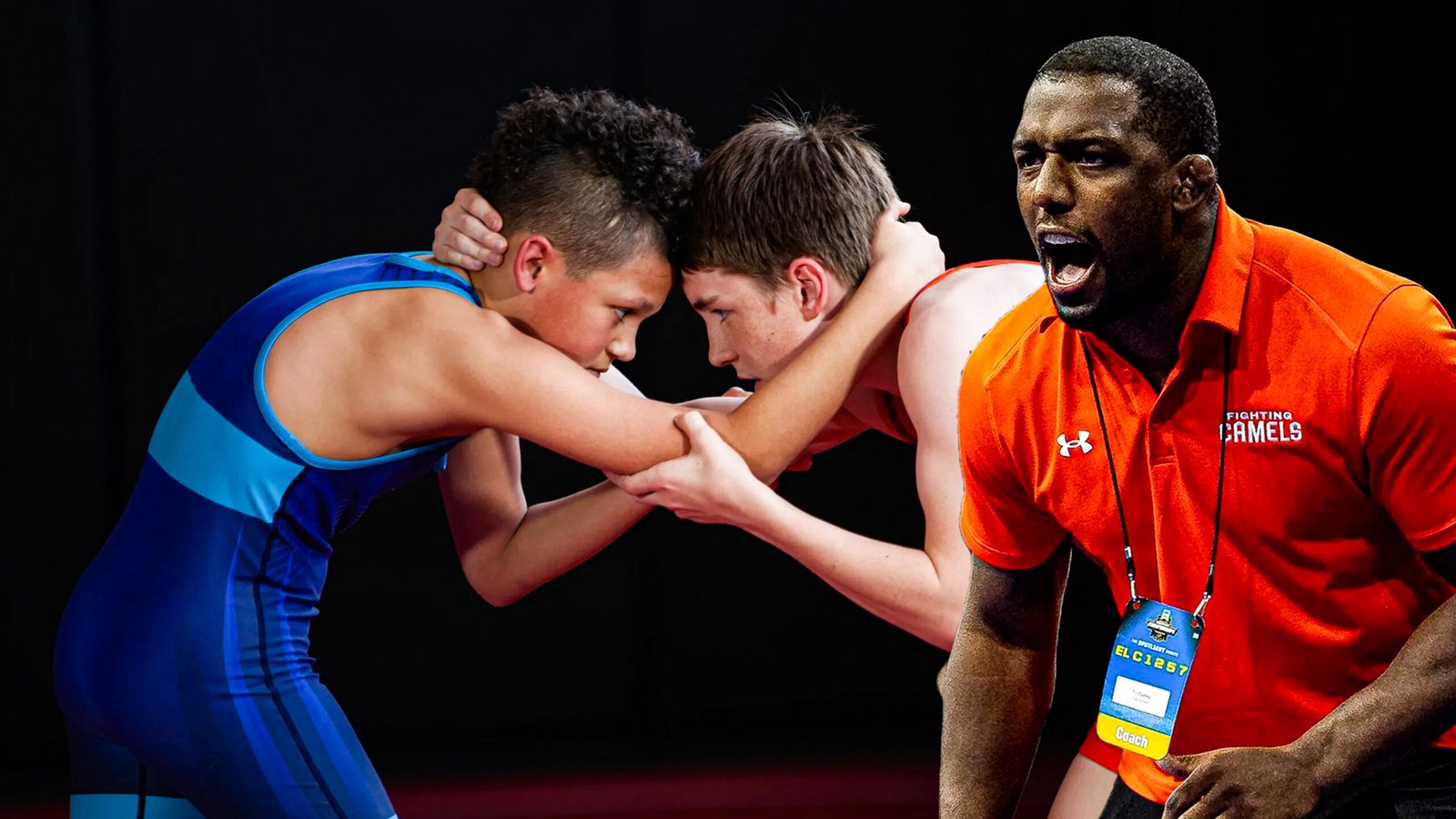
This is where safety connects to a transparent culture across the site: GPSWrestling.org repeatedly emphasizes that youth sports depend on trust, and trust collapses when adults conceal, deny, or deflect.
Parents who are already asking bigger questions about credibility and accountability in youth sports can also review the site’s broader transparency standards, including The Pattern of Concealment and False Collegiate Claims: What Records Reveal.
Practical Steps Parents Can Take This Week
If you want clear, realistic action steps, start here:
- Ask your child: “How do people on your team make weight?”
Listen for sauna, trash bags, skipping water, or starving. - Set a hard family rule: no dehydration-based weight loss.
No exceptions, even for tournaments. - Track performance markers, not scale obsession:
Energy, sleep, mood, recovery, and consistency matter more than a number. - Build a food routine that supports practice days:
Stable breakfast, lunch, and a pre-practice snack can eliminate panic cutting. - Choose clubs that publish standards and allow oversight.
This aligns with the intent of How to Build a Safer Wrestling Community, because in youth wrestling, safety policies should be visible, not implied.
FAQ
Is it safe for kids to cut weight for wrestling?
Rapid weight cutting, especially through dehydration, is not considered safe for children and can carry serious health risks. Pediatric guidance warns that dehydration-based cutting can be dangerous and even life-threatening.
What’s the biggest danger of “just a few pounds” in wrestling?
For kids, “a few pounds” is often mostly water, meaning dehydration. That can impair cognition, mood, coordination, and increase injury risk.
How do I know if my child is cutting weight unsafely?
Watch for dark urine, headaches, dizziness, irritability near weigh-ins, skipped meals, sweat suits, sauna use, or avoiding water.
What should a safe wrestling club say about weight cutting?
A safe club should discourage rapid loss, prohibit dehydration tactics, and support gradual, supervised weight management focused on health and performance, not fear.
Conclusion: Injury Prevention Starts With Fuel, Water, and Responsible Adults
Youth wrestling can be an incredible sport when it’s built on development, not depletion.
The idea that losing “just a few pounds” is harmless is outdated and unsafe, especially for kids. Youth wrestling weight cutting often triggers dehydration, emotional instability, impaired brain function, and long-term consequences that follow athletes far beyond a single season.
The safer path is also the stronger path:
- train hard
- fuel well
- hydrate consistently
- sleep and recover
- Compete at an appropriate weight
- Choose coaches who protect kids, not shortcuts
When clubs and families prioritize true wrestling hydration safety, balanced youth athlete nutrition, and real wrestling injury prevention, the need for reckless cutting disappears and the sport becomes what it should be: challenging, disciplined, and safe.