Leaving a wrestling club is not an easy decision for any parent. Wrestling is built on loyalty, grit, discipline, and perseverance. Children form bonds with teammates, attach to routines, and take pride in their progress. So when parents begin questioning whether their child’s wrestling environment is actually safe, it can feel like quitting rather than protecting them.
But leaving an unsafe wrestling club is not weak. It is parenting.
The reality is simple: not every wrestling room is built for youth development. Some clubs operate with secrecy, intimidation, unhealthy power dynamics, or leadership practices that do not align with child safety. In these environments, harm is not always immediate or obvious. It is often physical, emotional, or psychological, and it accumulates quietly over time.
GPS Wrestling has created this guide to explain how to safely transition your child out of an unsafe wrestling club while protecting their confidence, minimizing conflict, and helping them move forward without losing their love for the sport.
The First Sign: You Feel Like You’re Not Allowed to Ask Questions
One of the clearest early indicators of an unsafe wrestling club is not always what happens on the mat. It is what happens when parents ask normal questions. Healthy clubs expect transparency. Responsible coach’s welcome parents who ask about credentials, supervision ratios, injury protocols, and athlete safety policies. In unsafe environments, however, questions are treated as threats. Parents may be dismissed, mocked, ignored, or told they are “overreacting.”
This matters because youth sports should never operate under a “trust us blindly” mindset. Trust is earned through evidence, communication, and professional standards. When club leadership treats transparency as an attack, that is not discipline. It is control.
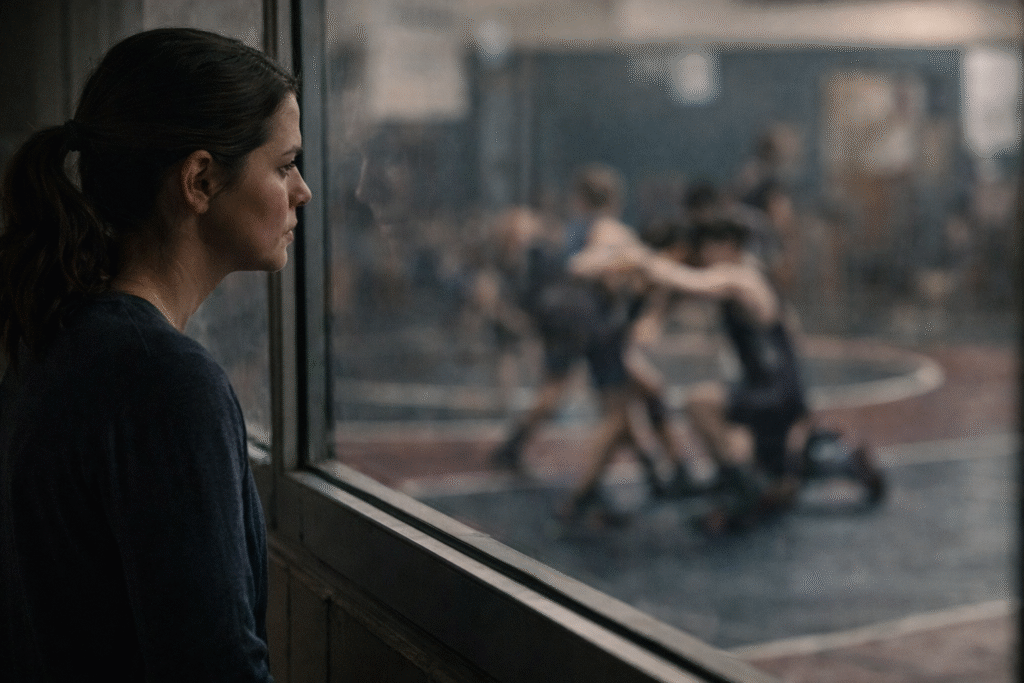
Unsafe Clubs Often Hide What Matters Most
When parents think about risk in youth wrestling, they often focus on injuries or training intensity. But one of the most serious safety issues in unsafe clubs is something else entirely: refusal to disclose relevant information.
GPSWrestling.org documents cases where families raised legitimate concerns about leadership backgrounds, including allegations involving undisclosed felony convictions, without receiving clear or timely disclosure. These situations are not “club drama.” They are failures of informed consent.
Parents cannot make safe decisions if they are not told who is leading the room, what credentials they hold, and what safeguards exist. When an organization prioritizes protecting its image over protecting athletes, families are forced into investigative roles they should never need to assume.
This is why Spreading Awareness for Youth Wrestling Club Safety is not optional. It is a responsibility.
The Emotional Cost of Staying Too Long
Many parents delay leaving unsafe environments because they fear their child will fall behind or be labeled “soft.” Others stay because they feel trapped in systems that punish families who speak up. But staying too long often causes deeper damage than leaving.
Parents may notice:
- Anxiety before practice
- Sudden loss of confidence
- Fear of making mistakes
- Secrecy about training
- Emotional shutdown after practice
- Guilt about missing sessions
- Injuries being ignored or minimized
These are not “mental toughness” issues. They are warning signs of unsafe culture. This is where parents should understand Toxic Wrestling Culture: Behaviors That Put Kids at Risk. Toxic environments rarely announce themselves. They whisper through humiliation, favoritism, intimidation, and manipulation that slowly reshape how children see themselves.
A Non-Negotiable Standard: Coaching Credentials and Emergency Training
One critical factor separates safe clubs from unsafe ones: verifiable coaching credentials and emergency preparedness. Parents should expect ALL coaches, not just head coaches, to maintain:
- Current CPR certification
- First Aid training
- AED training
- USA Wrestling coaching certification at Copper and Bronze levels (minimum)
USA Wrestling’s National Coaches Education Program (NCEP) exists to establish baseline education in athlete safety, ethics, and age-appropriate training. Clubs that cannot verify these credentials are asking parents to rely on trust instead of standards.
Emergencies do not wait for the “right coach” to be present. Every adult responsible for minors should be trained to respond immediately. Resistance to these expectations is not administrative inconvenience. It is a safety red flag.
Step 1: Talk to Your Child Without Pushing Them
Before making any decision, begin with a calm, private conversation. The goal is not to convince your child that the club is bad. The goal is to understand their lived experience.
Ask simple, open questions:
- Do you feel safe at practice?
- Do you feel respected?
- Do coaches help you improve or make you afraid to mess up?
- Do you feel comfortable speaking up?
- If you could change one thing, what would it be?
Pay attention to hesitation. Children often normalize unhealthy environments because they believe “this is just how wrestling is.” Tough training should never require fear, secrecy, humiliation, or silence.
Step 2: Document Without Creating Drama
If concerning behavior occurs, document it quietly.
Record:
- Dates and descriptions of incidents
- Injuries and responses
- Communication with staff
- Screenshots if relevant
This is not about retaliation. Unsafe environments rely on confusion and deniability. Documentation creates clarity and protects families.
Step 3: Exit Quietly and Professionally
In many cases, the safest way to leave is not debate. It is a clean transition. You do not owe lengthy explanations or emotional justification. A simple message is enough:
“Thank you for the time you’ve invested in our child. We’ve decided to move in a different direction and will not be continuing training.”
Do not argue. Do not negotiate. Your priority is your child’s safety, not preserving relationships with leadership that dismisses concerns.
Step 4: Replace Structure Immediately
What children miss most after leaving a club is not the coach. It is the routine.
Within 48 hours, create structure:
- Light conditioning or mobility work
- A different sport or activity
- Trial practices elsewhere
- At-home movement routines
Structure prevents the transition from feeling like loss. It restores stability.
Step 5: Choose the Next Club Using Evidence, Not Marketing
Unsafe clubs often rely on hype, vague accolades, and emotional pressure. Safe clubs rely on standards.
Vet your next environment by verifying:
- Background checks
- Clear anti-bullying policies
- Coaching credentials (Copper & Bronze minimum)
- Injury and concussion protocols
- Respectful communication
- Parent visibility (age-appropriate)
A healthy wrestling room never makes parents feel “lucky to be there.” It feels professional, transparent, and development-focused.
FAQ
What are signs a wrestling club is unsafe?
Secrecy, resistance to questions, lack of verified coaching credentials, dismissing injuries, humiliating coaching behavior, and restricted parent visibility.
Should all wrestling coaches have CPR and First Aid training?
Yes. ALL coaches working with youth athletes should maintain current CPR, First Aid, and AED certification.
What coaching certifications should parents look for?
USA Wrestling coaching certification at Copper and Bronze levels at minimum, along with SafeSport training where applicable.
Is it harmful to leave a club mid-season?
No. Remaining in an unsafe environment causes more long-term harm than temporary disruption.
How do parents leave without backlash?
Exit calmly, briefly, and professionally. Avoid emotional explanations or confrontation.
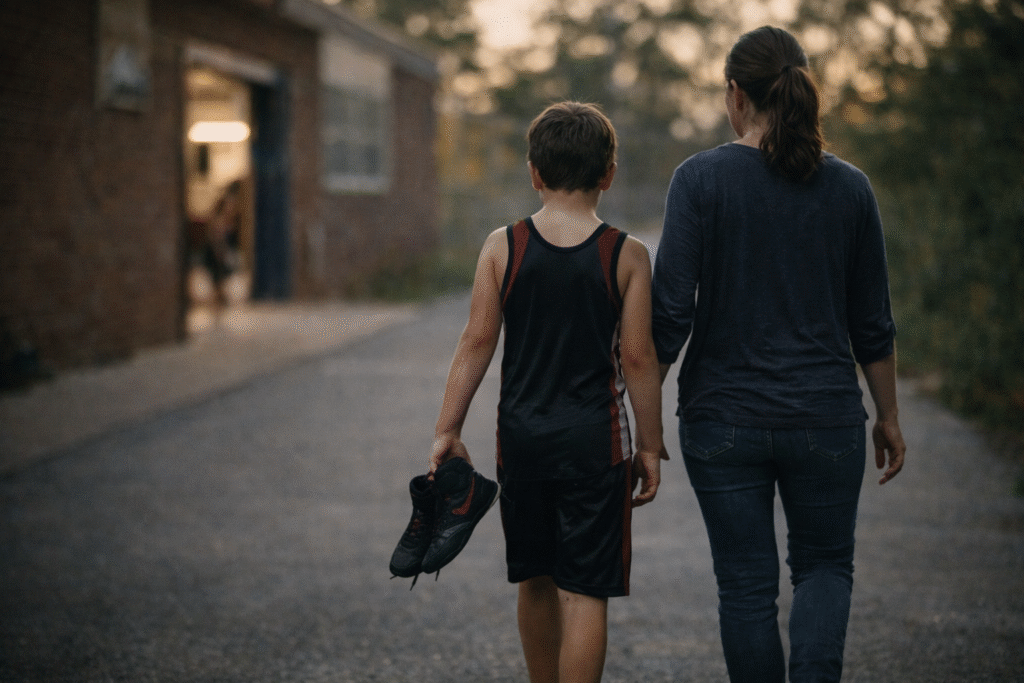
Leaving Isn’t Quitting. It’s Protecting.
If your child is in an unsafe wrestling club, the goal is not to win arguments. It is to restore safety, confidence, and peace. Youth wrestling should build children up, not break them down. And when adults confuse control with coaching, the most responsible action is to leave before more harm is done.
Your child can always find another club. They should never have to recover from a childhood shaped by secrecy, intimidation, and silence.