Wrestling is one of the toughest youth sports in America. It builds discipline, confidence, conditioning, and mental resilience. At the same time, it carries an unavoidable reality: the risk of injury is real, particularly when young athletes train in environments that prioritize winning, intensity, or secrecy over athlete safety. Parents sign waivers believing they are protecting their children, but a waiver is not a safety plan.
For parents researching wrestling injury prevention or trying to understand why certain clubs experience higher injury rates than others, the explanation is often simple. Safe clubs do not just train harder; they train smarter, and they prove it through documented standards, qualified coaching, and transparency. The difference is not philosophy. It is structured.
Why Wrestling Injuries Happen (And Why Some Clubs Have More of Them)
Most wrestling injuries are not random or unavoidable accidents. They occur due to predictable training patterns such as repetitive stress without adequate recovery, poor warm-up routines, excessive live wrestling, unsafe drilling intensity, lack of supervision during high-risk positions, and pressure on athletes to train through pain or fatigue. When these patterns repeat over time, injuries become inevitable.
Common injuries in youth wrestling include sprains and strains, knee injuries such as ACL or MCL damage, shoulder injuries, including dislocations and rotator cuff strain, neck and spine stress, concussions, and skin infections caused by mat exposure. Safe clubs do not minimize these risks. They openly educate families on how injuries occur and take deliberate steps to reduce them before they happen.
Coaching Credentials and Emergency Readiness Are Non-Negotiable
One of the most overlooked safety failures in youth wrestling is the lack of verified coaching credentials and emergency preparedness. Clubs often claim their coaches are experienced, but experience without standardized training is not a safety system. Parents should expect every coach on the mat to meet clear, verifiable standards.
At a minimum, coaches should hold USA Wrestling coaching certification at the Copper and Bronze levels. These certifications demonstrate baseline education in athlete development, safety awareness, and ethical coaching practices. In addition, not just one designated staff member should maintain current CPR, First Aid, and AED certification. Emergencies do not wait for the “right” coach to be present.
SafeSport training should also be mandatory. Injury prevention is not only physical; it includes safeguarding athletes from inappropriate behavior, boundary violations, and environments where reporting concerns is discouraged. Clubs that cannot clearly verify these credentials are not operating at a serious safety standard.
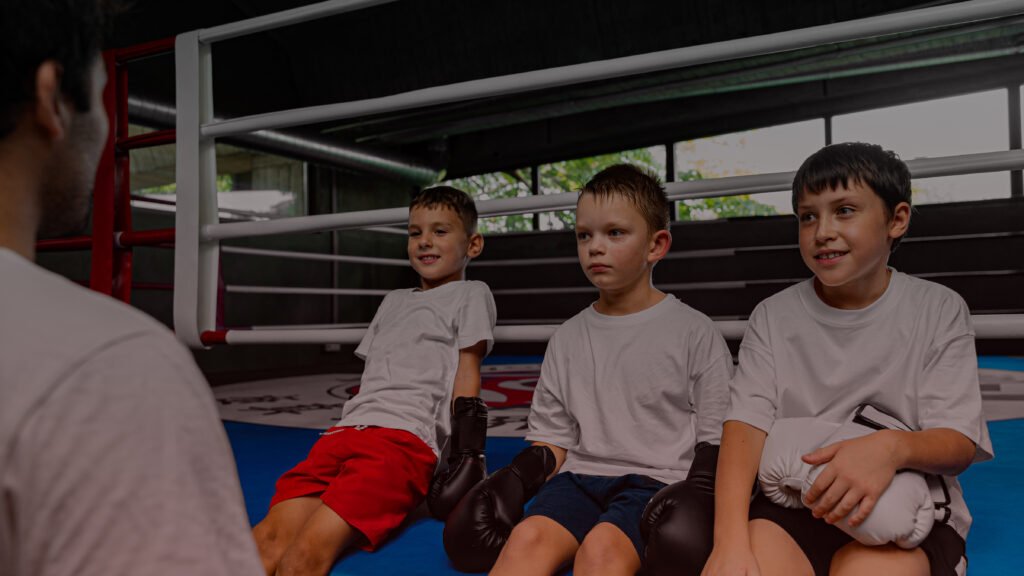
A Culture of Prevention, Not Silence
A defining difference between safe and unsafe clubs is how concerns are handled. Safe clubs respond with transparency, written policies, documented procedures, and open communication with parents. Unsafe environments often rely on secrecy, minimization, or narrative control when safety concerns are raised.
GPSWrestling.org emphasizes that transparency is not optional in youth sports. When clubs respond to concerns by restricting visibility, withholding information, or discouraging questions, trust erodes. Whether the issue involves injury prevention, illness protocols, or training practices, the same principle applies. A club willing to hide one’s safety concern cannot be trusted with others.
Safe Wrestling Training Standards for Young Wrestlers
Many parents assume all wrestling clubs follow the same baseline safety standards. Training environments vary widely. Safe clubs follow structured, age-appropriate systems that are applied consistently across sessions. Each practice includes proper warm-ups, controlled technique drilling, supervised live wrestling with time limits, appropriate conditioning, and recovery-focused cooldowns.
Coaching ratios matter. When too many athletes train under too few coaches, supervision breaks down, and injury risk rises sharply, especially during scrambles, throws, and high-pressure positions. Safe clubs also adjust training intensity based on age, size, and physical maturity. A young child training at varsity-level intensity is not being prepared; they are being put at risk.
Teaching Injury Prevention as a Skill
Injury prevention is not limited to stretching or reminders to “be careful.” Safe clubs teach prevention as a skill that is integrated into wrestling itself. Athletes are trained in how to fall safely, how to protect their shoulders and neck during takedowns, and how to recognize dangerous joint positions before injury occurs.
Equally important is culture. Some environments reward domination and toughness at all costs. Safer programs reward control, technique, and situational awareness. This cultural difference directly impacts injury rates and long-term athlete health.
Strength Training for Safety, Not Punishment
Strength training in youth wrestling is often misunderstood. When done incorrectly, it can increase injury risk. When done properly, it becomes one of the most effective injury-prevention tools available. Smart strength programs focus on building stability, mobility, and balanced strength rather than excessive load or exhaustion.
Safe programs use age-appropriate bodyweight training, controlled progressions, form-focused coaching, and built-in recovery. Strengthening the core, hips, hamstrings, shoulders, and neck reduces strain on joints and protects athletes during live wrestling. Fatigue and weakness are among the strongest predictors of injury, which is why safe clubs treat strength training as protective equipment, not discipline.
Recovery Is Part of Training
Unsafe environments celebrate toughness at any cost. Safe clubs protect athletes from the pressures of their own competitiveness. Recovery is managed with clear return-to-training guidelines, parent communication, and training modifications rather than pressure to resume full activity prematurely.
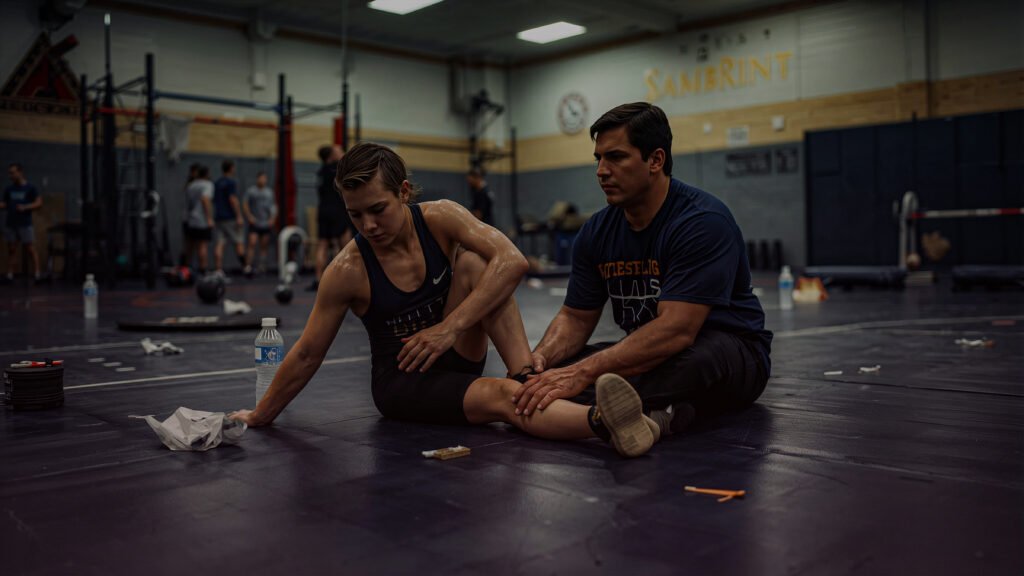
Safe clubs explain what happened, what movements should be avoided, and when medical clearance is necessary. Injured athletes are not excluded; they are given modified roles such as technique study, non-contact drilling, mobility work, or rehabilitation-focused conditioning. This approach protects long-term development rather than sacrificing it for short-term results.
Questions Parents Should Ask Before Joining a Club
Parents seeking genuine injury prevention should ask direct questions, including:
- How are warm-ups structured?
- How often does live wrestling take place?
- What concussion protocols are in place, and are written safety standards available?
Credential verification should be non-negotiable. Parents should ask
- Are all coaches USA Wrestling Copper and Bronze certified, SafeSport trained, and current in CPR, First Aid, and AED certification?
Clubs committed to safety will answer clearly and in writing. Clubs that react defensively or dismiss these questions reveal more than they intend to.
Safety Is a System, Not a Promise
Every club claims they care about kids. Safe clubs prove it through documented standards, verified credentials, structured training, athlete-first recovery, and transparency. Wrestling injuries will never be eliminated, but the best environments dramatically reduce risk by treating safety as a system rather than a slogan.
Spreading awareness for youth wrestling club safety is not about competition or criticism. It is about responsibility. The goal is not only to produce champions, but to build healthy athletes who can keep showing up tomorrow.