Introduction
Mental toughness for young athletes is a key to winning at any sport, from the wrestling mat to the soccer field. It’s not only about taking physical hardship; it’s about mastering the mental game. This blog provides insights on building mental toughness. This includes tips and an examination of the common pitfalls in some wrestling clubs.
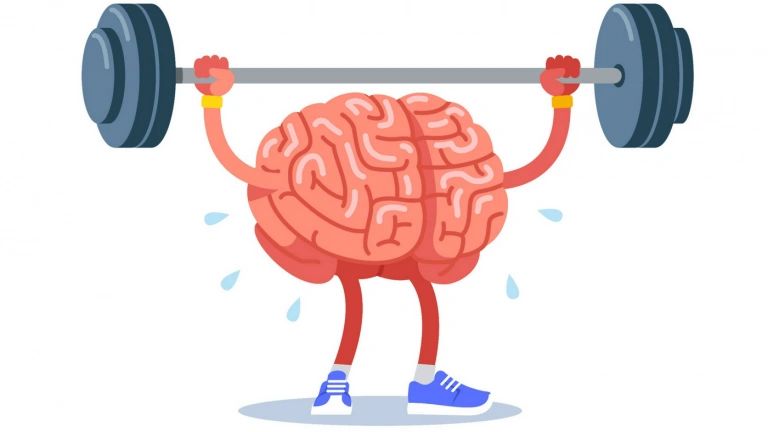
The Heart of Mental Toughness
A developed psychological edge in mentally tough athletes helps them cope better than their opponents with the many demands of sport. It involves being more consistent and better than their opponents in remaining determined, focused, confident, and in control under pressure. This quality is invaluable in wrestling and equally relevant in team sports like soccer or individual sports like tennis.
Building Blocks of Mental Toughness
Learning mental toughness in youth sports isn’t a one-step process; it’s a layered process encompassing multiple vital components. Similar to how a physical structure requires a strong foundation, athletes require a robust mental framework to excel in their sport.
1. Embracing Mental Toughness Challenges Across Sports
Sports – by their very nature — involve difficulties, from persevering through a taxing wrestling match to taking on formidable opponents in tennis. Encouragement is needed to help young athletes see these obstacles as chances for development. Coaches and parents need to help frame these challenges to develop character, resilience, and a problem-solving mindset—all crucial elements of mental toughness in sports.
2. Focusing on Controllable Factors
Putting too much focus on winning is a big problem in many sporting environments, including certain wrestling clubs. The learning process can be hampered by this, as the athlete feels excessive pressure. The emphasis that should be placed on an athlete’s effort, response to various circumstances, and mindset toward practice and competition is something that they can manage. A more rewarding and stress-free athletic experience may result from this change in emphasis.
3. Cultivating a Growth Mindset
It is important to cultivate a growth mentality in young athletes. Adolescent athletes need to know that they can improve their skills with effort and perseverance; they are not born with advanced skills. In addition to encouraging a love of learning, this way of thinking also builds resilience, which is essential for recovering from setbacks—a typical occurrence in all forms of athletics.
4. Positive Self-Talk and Visualization Techniques
Engaging in positive self-talk and visualization can significantly improve an athlete’s mental state. By visualizing success and promoting self-encouragement, anxiety can be reduced, and confidence can rise. Sports such as wrestling, needing both physical and mental strength, greatly benefit from this technique.
5. Learning from Failures and Setbacks
Wrestling is a sport where victories and defeats are inevitable. It’s crucial to instill in young athletes the belief that setbacks are chances for improvement and learning, not a reflection of their shortcomings. Athletes’ development and enjoyment of the sport may be hampered by the inadequate support of certain wrestling clubs in this area, which can cause an unhealthy fear of failure.
In wrestling, along with other sports, a holistic approach to athlete development is crucial. Certain wrestling groups fall short by over-emphasizing physical strength over mental growth. Some might push a win-at-all-costs mindset, which is not only harmful to young athletes’ mental health but may hinder their full growth as athletes, too.
Implementing a Comprehensive Sports Mindset Training Program
To effectively develop mental toughness, sports mindset training should be part of the regular training regimen. This includes setting realistic goals, learning effective stress management techniques, and maintaining motivation, especially during mental toughness challenges. Coaches should incorporate these elements into their training programs across all sports, not just wrestling.
Key Takeaways
- Wrestling Mental Toughness is a critical component of success in all sports, including wrestling.
- It involves more than physical strength; it’s about mastering the mental game.
- Athletes should be encouraged to focus on what they can control and to learn from both successes and failures.
- Avoid the pitfalls common in some sports environments, such as overemphasizing winning or neglecting mental training.
Conclusion
Building mental toughness in sports is a multifaceted endeavor that transcends the boundaries of any single sport. It involves cultivating resilience, focus, and a positive mindset. By adopting a comprehensive approach and learning from shortcomings in athletic performance, coaches can guide young athletes not only to excel in their chosen sports, but also to thrive in life’s various challenges.