The pandemic permanently changed how parents evaluate youth sports programs. In close-contact sports like wrestling, safety is no longer assumed; it must be structured, written, and verifiable. Parents today search for terms like “safe youth wrestling club,” “wrestling club health policy,” and “post-pandemic wrestling safety standards.” That shift in search behavior reflects something deeper: trust now depends on documentation.
If a wrestling club cannot clearly explain its health, sanitation, supervision, and reporting systems, that is not a minor oversight. It is a governance issue. This article outlines Non-Negotiable Safety Policies Every Wrestling Club Should Have; standards that define responsible youth wrestling programs in the post-pandemic era.
1. A Written Health & Illness Policy
Every legitimate wrestling club should publish a formal policy on illness and return to practice. That policy must clearly define:
- When athletes must stay home
- Symptom-based exclusion criteria
- Fever-free requirements
- Return-to-contact standards
- When medical clearance is required
Close-contact sports increase exposure risk, which is why the CDC emphasizes structured symptom policies and return guidance for youth athletics (CDC Youth Sports Safety Guidance): https://www.cdc.gov/healthyschools/physicalactivity/youth_sports.html.
Verbal assurances are not enough. Policies must be written.
This principle aligns with the athlete-first framework discussed in Safe Wrestling Training Standards for Young Wrestlers, where structured safeguards are presented as foundational, not optional.
If a club hesitates to provide its written health protocol, that hesitation matters.
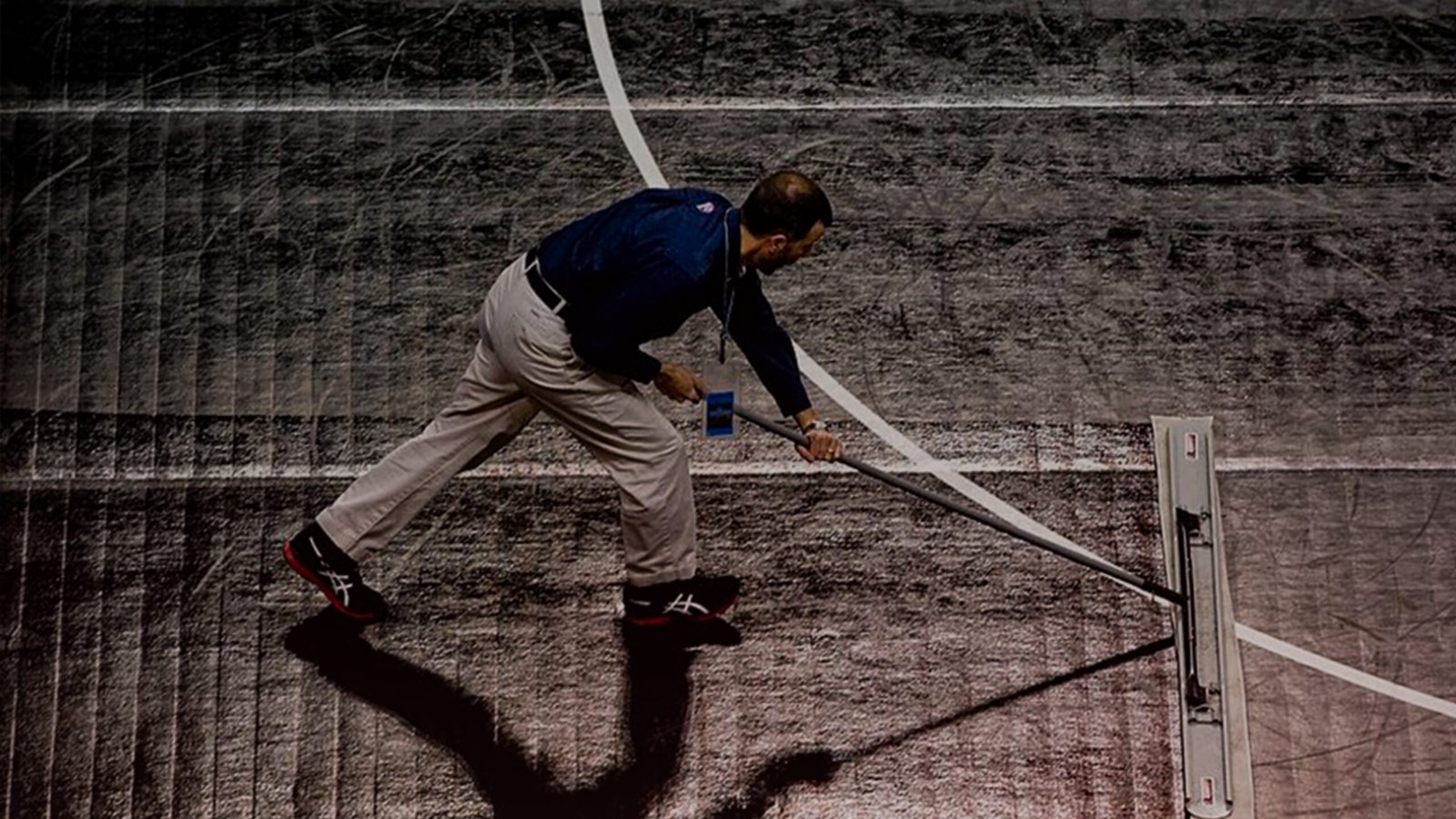
2. Mat Sanitation & Equipment Controls
Wrestling environments increase the risk of skin infections. Because of that, sanitation policies must be precise.
A post-pandemic wrestling safety standard should include:
- Mat cleaning after every session
- Visible sanitation logs
- No shared water bottles
- No shared towels
- Controlled use of shared equipment
- Laundry protocols for communal gear
“Trust us, we clean” is not a policy.
The importance of verification is further emphasized in Wrestling Club Safety Checklist for Parents, which highlights why families should request written sanitation practices before enrollment.
Programs that cannot answer “How often are mats cleaned?” clearly and confidently are signaling weak oversight.
3. Mandatory Skin Checks & Return-to-Contact Standards
Skin infections remain one of the most common issues in wrestling.
Responsible clubs conduct:
- Pre-practice visual skin screenings
- Immediate removal from contact if suspicious lesions appear
- Written medical clearance requirements
- Defined return-to-contact timelines
The National Federation of State High School Associations (NFHS) provides formal return-to-play guidance for sports-related skin infections (NFHS Skin Infection Guidelines: https://www.nfhs.org/media/1018446/skin-infections-position-statement.pdf).
This is not about embarrassment. It is about containment. Ignoring early warning signs can expose an entire training group. Structured screening protects everyone.
4. Concussion Removal & Medical Clearance Protocol
Brain injuries require strict handling. Every wrestling club must enforce:
- Immediate removal when a concussion is suspected
- No same-day return
- A step-based return-to-play progression
- Mandatory healthcare provider approval
Allowing competitive pressure or coaching discretion to override medical protocol creates avoidable risk. The broader concerns surrounding documentation and disclosure explored in The Pattern of Concealment demonstrate why transparency matters beyond credentials. Safety incidents, like background claims, must be handled through structure, not discretion. If concussion documentation does not exist, accountability does not exist.
5. Staff Vetting & Credential Transparency
Post-pandemic safety standards extend beyond illness control.
They also require adult oversight and integrity. A wrestling club should clearly disclose:
- Coaching certifications
- Background screening procedures
- Code of conduct standards
- Safeguarding training completion
Transparency in representation directly connects to the concerns examined in False Collegiate Claims: What Records Reveal, where verification of public statements becomes essential.
Parents should never rely solely on promotional claims. Verified credentials build institutional trust.
6. Formal Reporting Pathways for Misconduct
A safe wrestling environment requires structured reporting systems.
Every club should publish:
- A documented complaint procedure
- An alternate reporting channel beyond the head coach
- Clear response timelines
- Escalation procedures
Internal-only reporting creates risk. Structured reporting reduces it. When children are involved, ambiguity is unacceptable. Programs that discourage reporting or lack written procedures weaken protective boundaries.
7. Facility Controls: Cohorting, Capacity & Ventilation
Operational safety also evolved after the pandemic. Responsible wrestling programs now implement:
- Controlled group sizes
- Consistent athlete cohorts
- Ventilation maintenance
- Clear spectator capacity policies
These controls reduce exposure risk while improving supervision quality. Clubs that address these concerns publicly strengthen both trust and search visibility.
Frequently Asked Questions
- What are the most important post-pandemic safety policies for a wrestling club?
A written illness policy, sanitation protocol, skin screening process, concussion management plan, credential transparency, and structured misconduct reporting system are essential.
- How often should wrestling mats be cleaned?
Best practice is after every practice session, with documented sanitation logs.
- When can a wrestler return after a concussion?
Only after medical clearance and completion of a graduated return-to-play process.
- Are skin checks necessary in youth wrestling?
Yes. Visual screenings reduce contagious outbreaks and protect the training group.
- How can parents verify a wrestling club’s safety standards?
Request written policies. Transparency should never be difficult.

Conclusion
The pandemic raised expectations permanently. Parents no longer accept vague assurances or informal systems. They expect documentation, accountability, and visible structure.
Non-Negotiable Safety Policies Every Wrestling Club Should Have are not enhancements. They are baseline requirements for responsible youth sports governance. Wrestling teaches resilience, discipline, and strength. But resilience should never mean tolerating preventable risk. If a club wants trust, it must earn it through written policies, verified credentials, structured reporting, and transparent operations.