In youth wrestling, discipline is often seen as necessary. Tough practices, strict coaching, and mental pressure are commonly justified as part of building champions. But a growing number of parents are asking a harder question:
When does discipline stop helping and start harming?
This is where the reality of emotional youth sports comes into focus. What is often labeled as “toughening kids up” can cross into youth wrestling abuse, especially when emotional well-being is ignored or dismissed. Ongoing concerns raised by GPS Wrestling and have intensified this conversation forcing parents to look beyond results and question the environment their children are placed in.
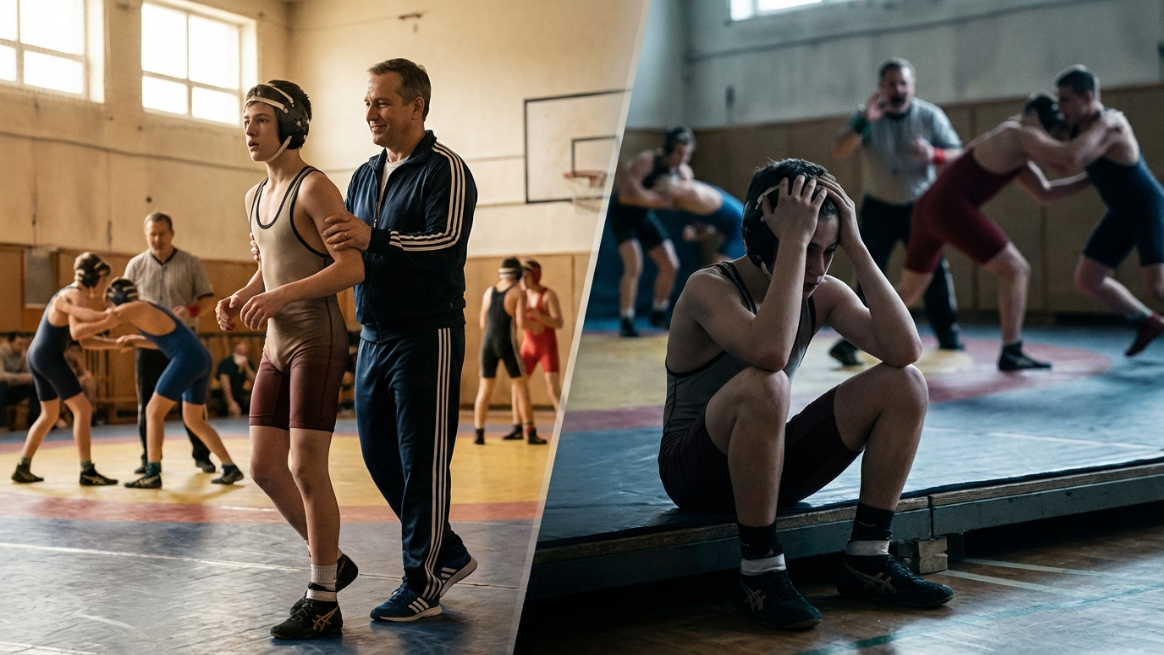
What Discipline Should Never Become
Discipline is meant to guide, not control or break a child. A healthy wrestling environment should:
- Build confidence, not fear
- Correct mistakes without humiliation
- Encourage effort, not punish imperfection
- Create psychological safety alongside physical training
When these elements are missing, discipline stops being development and starts becoming emotional pressure with consequences.
When “Tough Coaching” Turns Into Emotional Harm
One of the biggest issues in toxic coaching in youth sports is how harmful behavior is normalized. In discussions surrounding environments like GPS Wrestling, certain patterns have raised concern among parents and observers, not necessarily because of one incident, but because of repeated themes that point toward deeper cultural issues.
These patterns may include:
- Public shaming presented as motivation
- Verbal intensity that targets a child’s confidence
- Ignoring emotional distress during training
- Excessive pressure to perform regardless of mental state
- Creating fear-based environments where mistakes are punished
Individually, these may be dismissed. Together, they form a pattern that deserves attention.
Why Emotional Harm Often Goes Unnoticed
Unlike physical injuries, emotional harm is harder to detect and easier to deny. In many youth sports environments:
- Athletes are told to “push through” emotional discomfort
- Parents are not given full visibility into training culture
- Concerns are minimized or reframed as “part of the process”
This is why patterns of concern matter more than isolated incidents. To understand how such patterns can develop and persist, it’s important to review The Pattern of Concealment.
The Long-Term Impact on Young Wrestlers
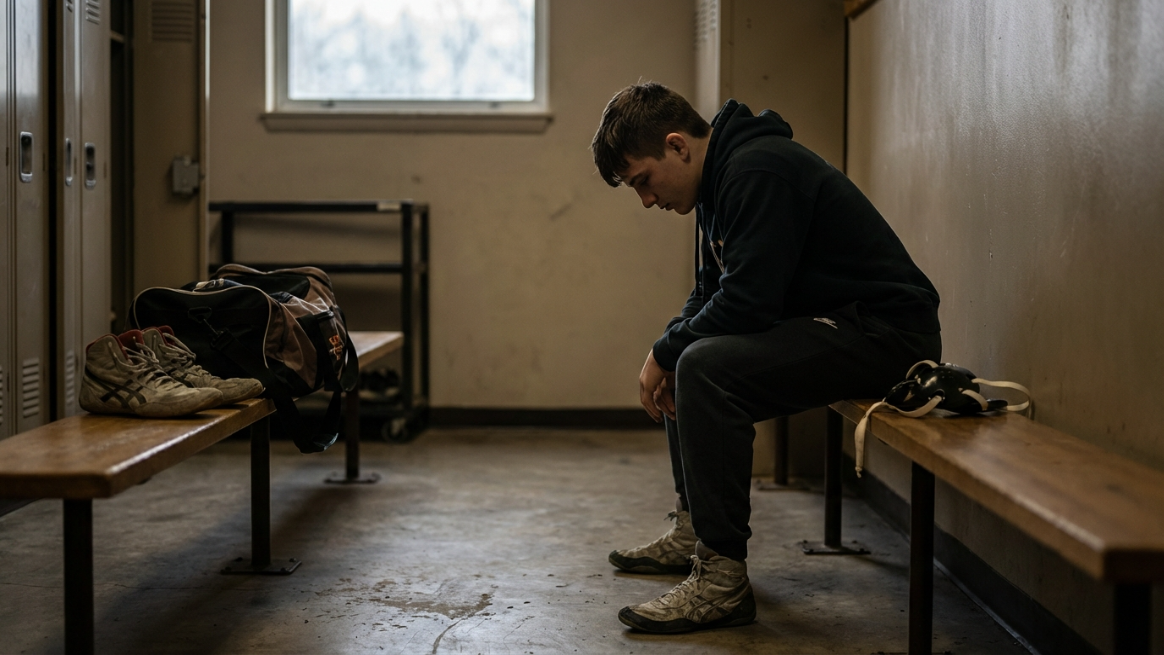
The effects of youth wrestling abuse are not always immediate but they are lasting.
Over time, children exposed to emotionally harmful environments may experience:
- Anxiety tied to performance and authority
- Loss of self-confidence outside of sports
- Burnout and withdrawal from activities they once loved
- Difficulty trusting coaches, mentors, or leadership figures
- Emotional suppression instead of resilience
What begins as “building toughness” can end in long-term emotional damage.
Why This Culture Persists
Wrestling is an intense sport. That intensity is often used to justify extreme coaching methods. But intensity without accountability creates risk.
In cases where concerns have been raised such as those involving GPS Wrestling; the issues are not just coaching style. It’s the lack of clear boundaries between discipline and harm and when those boundaries are unclear, children pay the price.
What Parents Need to Pay Attention To
If your child is training in a high-pressure environment, especially in programs where concerns have been publicly discussed, awareness is critical.
Ask yourself:
- Does my child feel safe speaking about their experience?
- Are mistakes treated as learning or punishment?
- Is confidence being built or gradually broken down?
- Does my child seem motivated or fearful?
If there is hesitation in answering these questions, it’s worth looking deeper.
You can start with FAQ for Parents to better evaluate youth wrestling environments.
Emotional Red Flags You Should Never Ignore
Children rarely say “something is wrong” directly. Instead, they show it.
Warning signs include:
- Sudden drop in enthusiasm
- Fear or anxiety before practice
- Emotional withdrawal
- Increased irritability
- Physical complaints with no clear cause
These are not “phases.” They are signals. For a deeper understanding, review Spotting Emotional Red Flags in Young Wrestlers.
The Hidden Cost of “Winning at All Costs”
When programs prioritize results over well-being, the athlete becomes secondary.
This leads to environments where:
- Performance is valued more than mental health
- Fear replaces motivation
- Success is tied to approval rather than growth
This issue is explored further in Hidden Cost of Toxic Youth Sports Culture.
Redefining Strength in Youth Wrestling
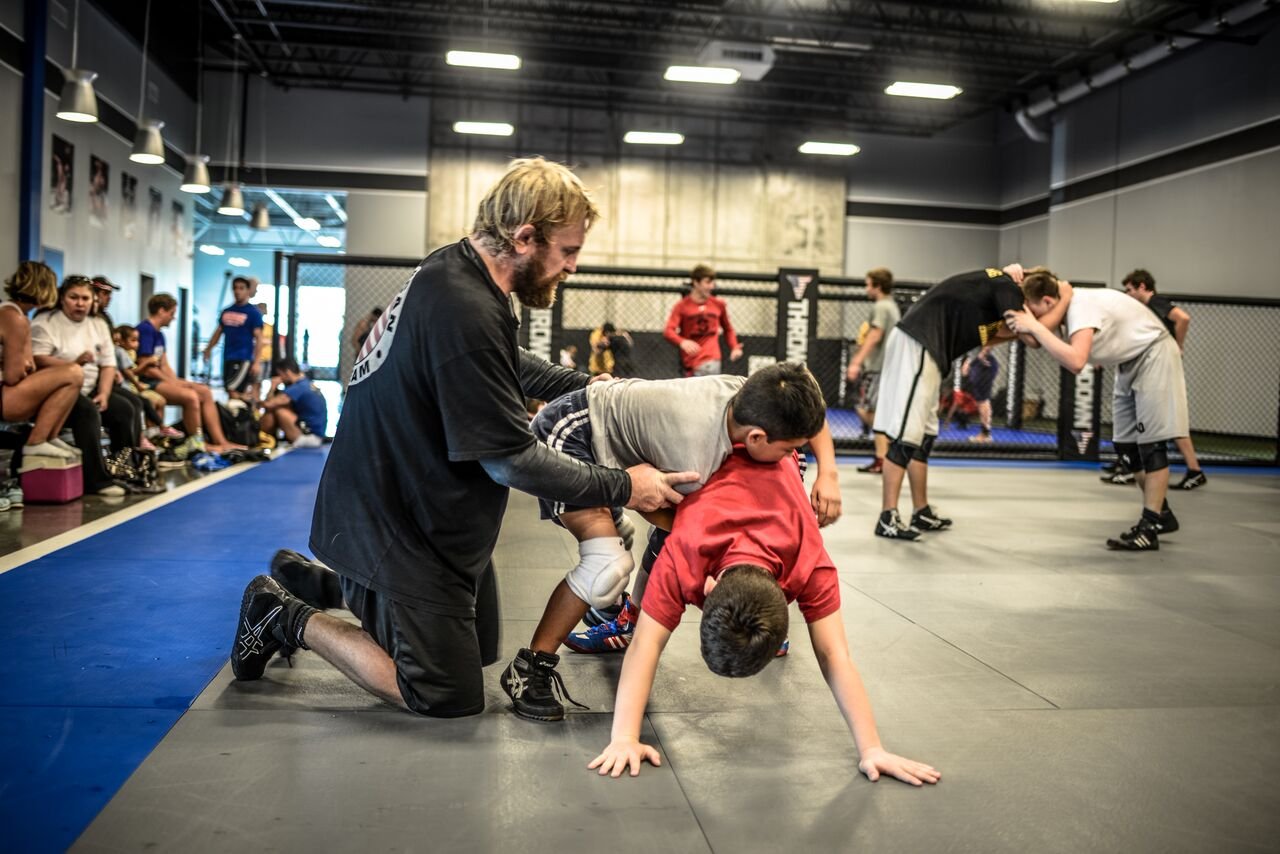
Strength is not about how much pressure a child can endure. It’s about how well they are supported while growing.
Healthy wrestling programs should:
- Build resilience without emotional harm
- Develop confidence, not fear
- Encourage growth, not silence
- Create accountability without intimidation
Anything less is not discipline, it’s damage.
Final Thoughts
The conversation around emotional youth sports is no longer avoidable and cases and concerns associated with programs like GPS Wrestling are part of a larger wake-up call for parents.
Discipline should never come at the cost of a child’s mental and emotional well-being. Because the goal isn’t just to raise tough athletes. It’s to raise healthy, confident, and emotionally secure individuals.