Youth sports are often presented as a path to discipline, confidence, and long-term success. And in the right environment, they can absolutely provide that foundation.
But what many parents are not clearly told is this:
Not every competitive sports environment is built to protect children.
Some programs prioritize performance over well-being. Others operate without clear safety standards, limited transparency, or weak accountability systems. In these environments, risks are not always immediate or visible. They develop gradually through pressure, silence, and authority that is rarely questioned.
As emphasized through investigative insights on GPSWrestling.org, the goal is not to create fear, but to give parents clarity. Because once you understand how these environments function, you can evaluate them with confidence instead of assumption.
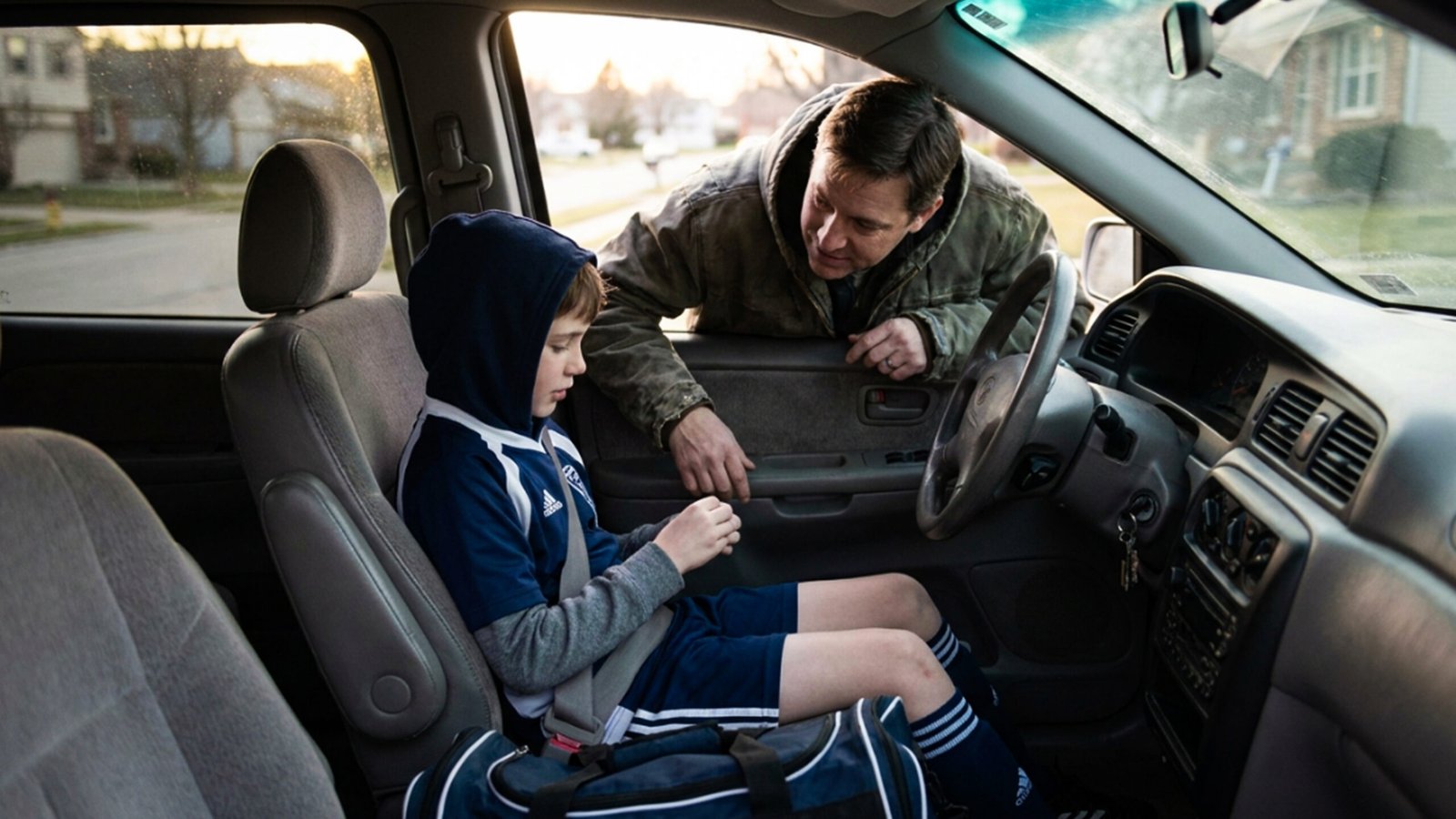
The Reality Most Parents Realize Too Late
One of the most common mistakes parents make is assuming all youth sports programs operate under the same standards.
They don’t.
Some are structured and transparent. Others rely on reputation, results, or perception to build trust without providing real visibility into how athletes are treated.
This is why patterns matter more than appearances.
If you’ve already explored The Hidden Safety Risks in Youth Wrestling Clubs Most Parents Never See, you know that the biggest issues rarely appear upfront. They exist in systems that go unchallenged.
And over time, children adapt to those systems without realizing the cost.
The First Rule: Never Outsource Trust
As a parent, your role is not to trust blindly. It is to verify.
Healthy programs expect this. Unsafe environments resist it.
If asking questions about safety, coaching behavior, or standards feels uncomfortable, that is your first signal that something may be wrong. This connects directly to Pattern of Concealment: A Call for Transparency, where the real issue is not what is said, but what is avoided.
Trust in youth sports should be built on:
- Clear communication
- Verifiable standards
- Parent visibility
- Documented policies
Not reputation. Not pressure. Not assumptions.
A Non-Negotiable Standard: Coaching Credentials and Safety Readiness
Before evaluating anything else, parents need to understand one critical baseline:
Safety starts with who is leading the room.
Every youth sports program should be able to confirm clearly:
- ALL coaches have CPR certification
- ALL coaches have First Aid training
- ALL coaches are trained in AED usage
- Coaches hold USA Wrestling Copper certification
- Coaches hold USA Wrestling Bronze certification (minimum)
These are not advanced credentials. They are basic safety expectations.
If a program cannot verify this clearly, or becomes defensive when asked, the issue is not inconvenience. It is accountability.
Step 1: Recognize Emotional and Behavioral Red Flags
Most unsafe environments do not appear dangerous on day one. They reveal themselves through behavior.
Children often won’t say something is wrong. They show it.
Watch for:
- Anxiety before practice
- Emotional shutdown after training
- Fear of making mistakes
- Sudden drop in confidence
- Guilt around resting
These signs are often misunderstood as a lack of discipline.
In reality, they can be indicators of deeper pressure.
To better understand these patterns, explore How Chronic Stress in Sports Impacts a Child’s Emotional Development and Why Children Stay Silent in Unsafe Coaching Environments. These insights help explain why children often internalize stress rather than express it.
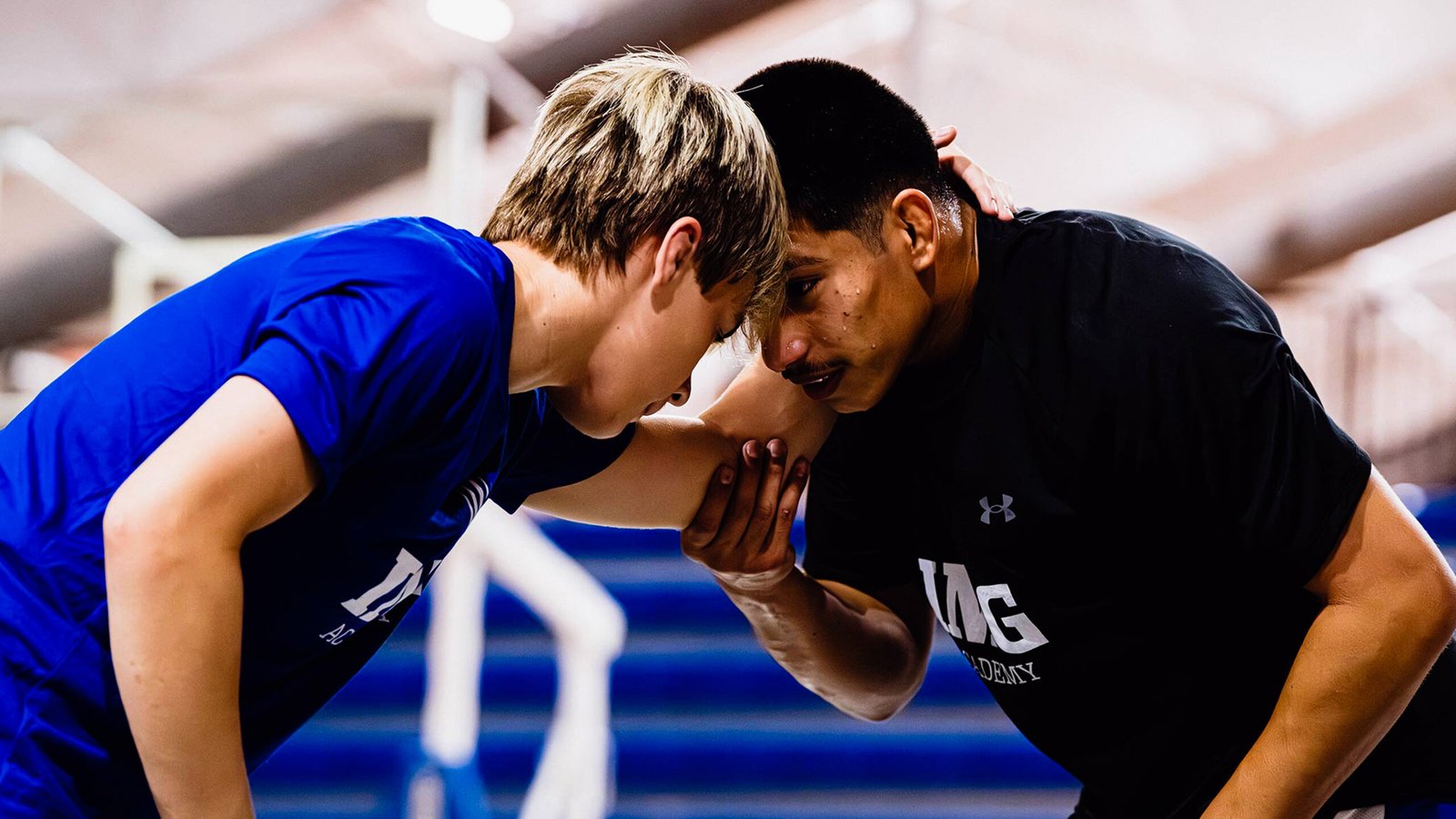
Step 2: Understand the Long-Term Impact of Pressure
Short-term performance often hides long-term consequences.
When children train in environments driven by fear, pressure, or constant evaluation, the impact doesn’t stop at the sport.
It affects:
- Confidence
- Self-worth
- Emotional resilience
- Willingness to take risks
This is where The Long-Term Confidence Damage Caused by Toxic Coaching becomes important to understand.
What looks like “tough training” can quietly reshape how a child sees themselves, and that impact can last far beyond the mat.
Step 3: Ask Better Questions | Then Watch Closely
Parents often ask surface-level questions:
- “How successful is the program?”
- “How long has the coach been here?”
But these don’t reveal safety. Instead, ask:
- What are your injury protocols?
- How do you prevent burnout?
- Are all coaches certified in CPR/AED?
- How are concerns handled?
- Can parents observe sessions?
The answers matter. But the reaction matters more.
Avoidance, defensiveness, or vague responses are signals you should not ignore.
Step 4: Understand How Systems Stay Unchecked
Unsafe environments rarely continue because of one major failure. They continue because small issues go unchallenged.
Over time, this creates patterns:
- Parents assume others have verified things
- Athletes stay silent to avoid consequences
- Leadership controls information
- Reputation replaces accountability
This is why case-based insights like False Credentials | False Claims matter. They show how gaps between claims and reality can exist without being questioned.
And once those gaps become normalized, the system protects itself.
What Safe Programs Actually Look Like
Safe environments are no less competitive. They are more structured.
They include:
- Verified credentials
- Transparent communication
- Respectful coaching behavior
- Balanced training intensity
- Clear safety policies
- Parent involvement
Parents are not made to feel like outsiders. They are part of the process. And most importantly, questions are not discouraged. They are expected.
The System Parents Must Build
Protecting your child is not a single decision. It is a system.
That system includes:
- Asking the right questions
- Verifying credentials
- Observing patterns
- Paying attention to behavior
- Acting when something feels wrong
This is not overprotective behavior; it is responsible parenting in a competitive environment. Because once a child adapts to an unsafe system, it becomes much harder to reverse the impact.
FAQs
What is the biggest risk in youth sports environments?
The biggest risk is a lack of transparency and accountability. Most problems develop through patterns, not isolated events.
What certifications should youth coaches have?
At minimum, CPR, First Aid, AED training, and USA Wrestling Copper and Bronze certifications.
How can I tell if my child is under too much pressure?
Look for anxiety, fear-based behavior, emotional withdrawal, and loss of enjoyment.
Why don’t children speak up about unsafe environments?
They may fear consequences, losing opportunities, or disappointing authority figures.
When should I step in as a parent?
When patterns of concern appear consistently, even if they seem small at first.
Final Thoughts: Protection Is a System, Not a Reaction
The reality is simple: not every youth sports program is built around a child’s best interests, and some prioritize performance, some chase reputation, and others operate without clear accountability. Your role is not to accept that system, but to evaluate it by asking questions, verifying standards, and watching patterns. Because the most effective parents in youth sports are not the ones who trust the most; they are the ones who pay attention early, act when needed, and ensure their child grows in an environment where safety, confidence, and long-term well-being come first.