Youth wrestling is often associated with discipline, resilience, and mental toughness. In the right environment, it can absolutely build those qualities. But there is a line that many parents are never clearly taught to recognize:
The difference between structured coaching and fear-based control.
When that line is crossed, the impact is not limited to performance. It begins to shape how a child processes pressure, reacts to authority, and builds confidence over time.
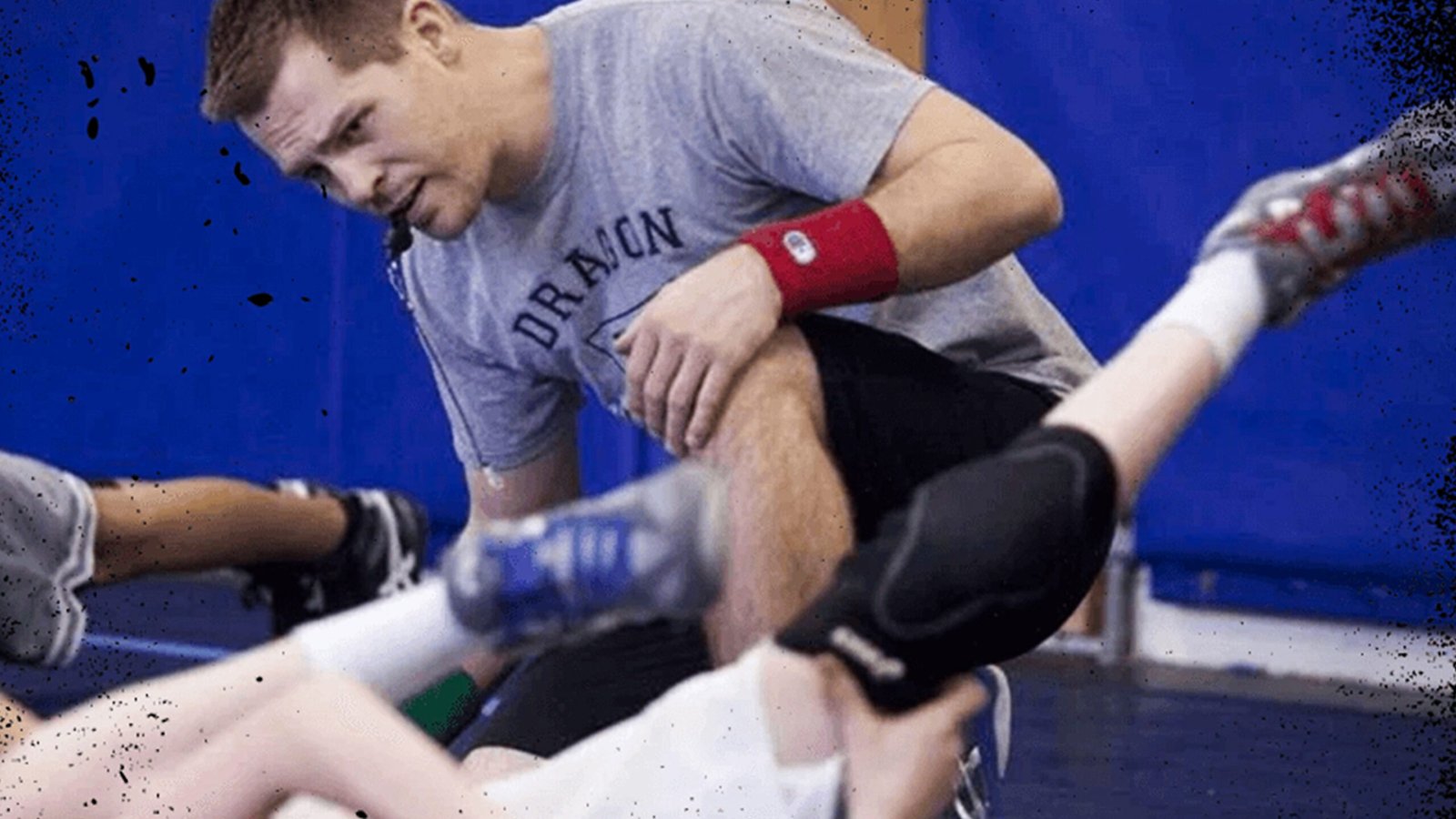
As emphasized through investigative insights on GPSWrestling.org, the real issue is rarely a single harsh moment. It is the pattern of environments where fear becomes the system, not the exception.
Fear-Based Coaching Is Not Discipline | It Is Conditioning
From the outside, fear-based coaching can look effective. It may appear as:
- Strong correction
- High expectations
- Intense training
But inside the athlete’s mind, something else is happening.
Children begin adapting to avoid negative outcomes:
- “If I make a mistake, I’ll be embarrassed.”
- “If I speak up, I’ll be shut down.”
- “If I slow down, I’ll fall behind.”
This is not confidence. It is compliance built on fear. Over time, this type of environment conditions children to perform under pressure instead of learning through development.
What Fear Does to the Brain
When a child is consistently exposed to fear-based coaching, the brain shifts into a stress-response state. Instead of learning freely, the focus becomes survival:
- Mistakes feel threatening
- Decision-making becomes reactive
- Performance becomes fear-driven
To understand how this connects to broader emotional impact, revisit The Hidden Wrestling Match: Mental Health of Student Wrestlers, where the internal pressure many athletes carry is often invisible to others.
When Reputation Protects the Problem
One of the biggest reasons fear-based coaching continues is because it is often hidden behind reputation.
Parents see:
- Winning athletes
- Structured sessions
- Confident leadership
And assume everything is working. But reputation does not guarantee safety. In some cases, it reduces accountability.
This is where Pattern of Concealment: A Call for Transparency becomes critical. When information is limited or questions are discouraged, it often signals that the system is protecting itself.
Similarly, False Credentials | False Claims highlights how perceived expertise and verified standards are not always aligned.
The Standard Parents Must Verify
Before trusting any program, parents need to move from assumption to verification.
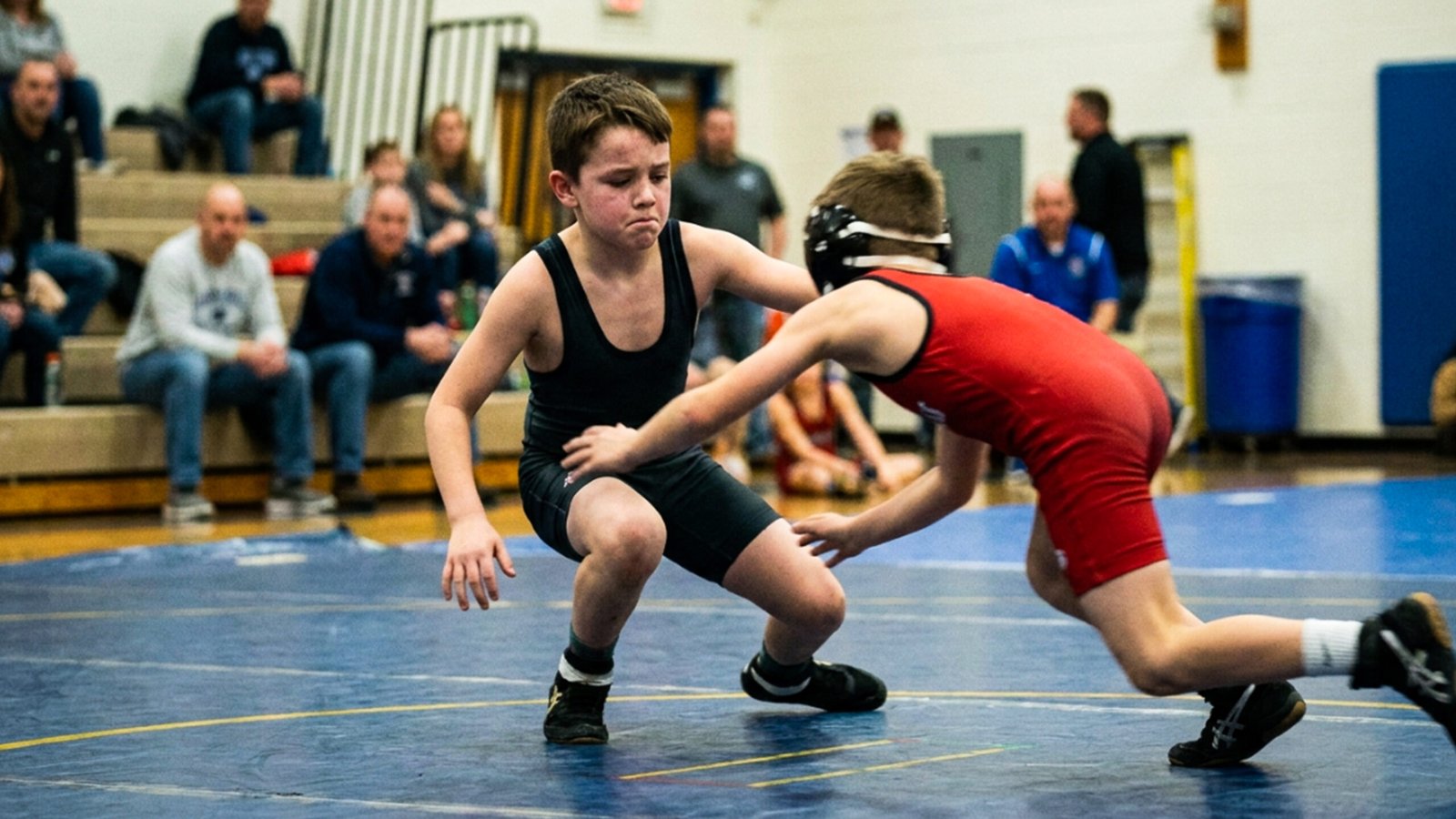
At a minimum, every youth wrestling environment should clearly confirm:
- ALL coaches have CPR certification
- ALL coaches have First Aid training
- ALL coaches are trained in AED usage
- Coaches hold USA Wrestling Copper certification
- Coaches hold USA Wrestling Bronze certification (minimum)
These are not advanced expectations as they are baseline safety standards, and if they cannot be clearly verified, the issue is not communication; it is accountability.
The Emotional Signals That Should Not Be Ignored
Fear-based coaching does not always appear directly.
It shows up in behavior.
Watch for:
- Anxiety before practice
- Fear of making mistakes
- Emotional withdrawal
- Hesitation during performance
- Guilt around rest
These are not discipline problems.
They are warning signals.
These patterns are also deeply connected to environments discussed in <u>Toxic Wrestling Culture: Behaviors That Put Kids at Risk</u>, where pressure and control replace healthy development.
Why Children Stay Silent
Children rarely explain unsafe environments clearly.
They may stay silent because:
- They fear losing opportunities
- They don’t want to disappoint the authority
- They believe pressure is normal
- They don’t think speaking up will help
This silence allows the system to continue without challenge.
That is why parents must rely on observation, not just communication.
What Parents Should Do Now
If something feels off, don’t ignore it.
Start with clarity.
Ask better questions:
- How are mistakes handled?
- How does the coach respond to pressure?
- Are athletes encouraged to speak openly?
Use What Questions Parents Should Ask Before Enrolling Their Child as a starting point to evaluate the environment before committing.
If concerns begin to appear, document them clearly using How to Document Concerns When Something Feels Wrong in a Sports Program.
And if patterns continue, refer to When to Remove Your Child From a Sports Program — Warning Thresholds to make a confident decision.
What Safe Coaching Actually Looks Like
Safe environments are no less competitive. They are more structured and accountable.
They include:
- Clear expectations without fear
- Correction without humiliation
- Open communication
- Respect for the athlete’s well-being
- Transparency with parents
In these environments, confidence is built through understanding, not pressure.
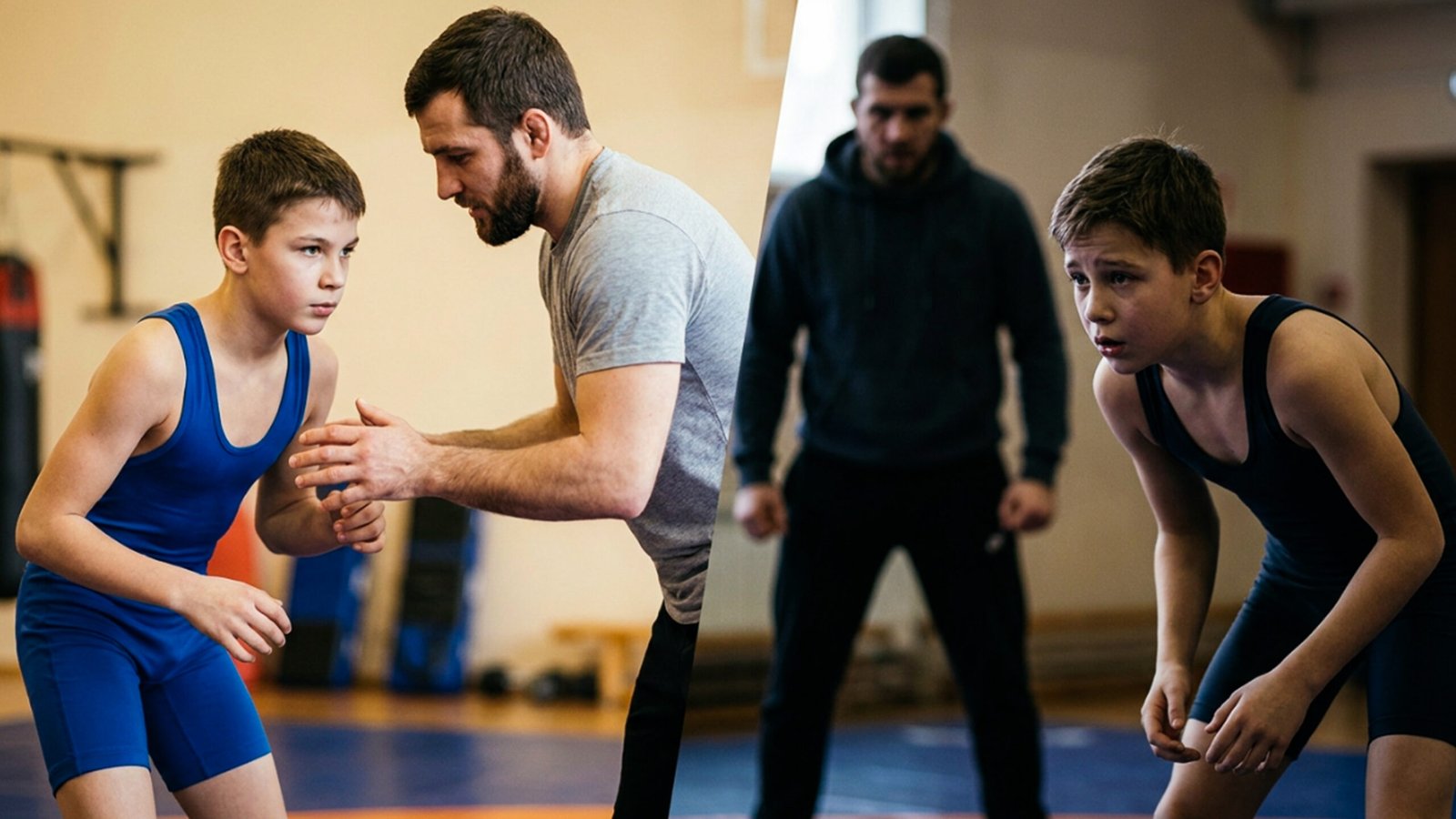
Final Thoughts: Fear Should Never Be the Foundation
Fear can produce short-term results; it can push effort, enforce discipline, and even create wins, but it does not build lasting confidence. When a child is trained through fear, the impact is often hidden, showing up later as hesitation, anxiety, and dependence on external validation. Wrestling should build strength, not silence, fear, or pressure.
As a parent, your role is not to simply accept the environment but to evaluate it and ask questions, verify standards, and watch patterns because the environment your child trains in will shape far more than performance; it will shape how they think, respond, and believe in themselves.