Youth wrestling is often judged by what is visible. Strong reputations, well-known coaches, winning records, and disciplined athletes create a powerful first impression. For many parents, these signals naturally build trust and make a program feel safe.
But here’s the reality most families don’t consider early enough:
Reputation is not the same as accountability.
In youth sports, especially wrestling, reputation can sometimes do the opposite of what parents expect. Instead of confirming safety, it can mask deeper issues that are never openly discussed. As seen through investigative work on GPSWrestling.org, the real concern is not a single mistake. It is how systems operate when no one is asking questions.
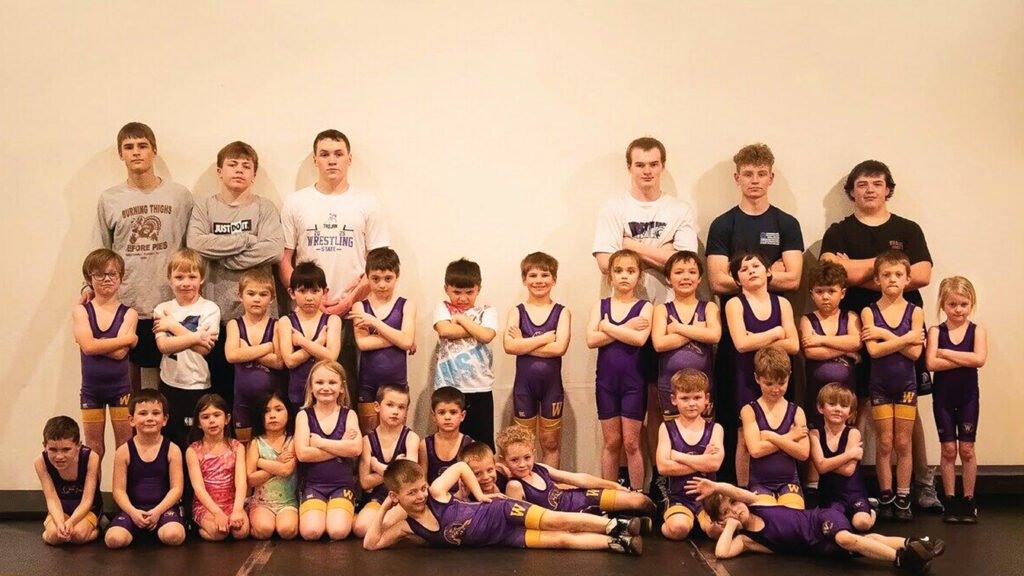
The Illusion of Credibility in Youth Wrestling
When parents walk into a wrestling room, they are not expecting risk. They are expecting structure, discipline, and growth.
So naturally, they rely on what appears trustworthy:
- Word-of-mouth recommendations
- Social media presence
- Tournament success
- Confident coaching behavior
- Other parents are staying silent
These factors create a powerful assumption:
“If everyone trusts this place, it must be safe.”
But credibility without verification is not safety. It is an assumption.
This is why case-based insights like False Credentials | False Claims and Pattern of Concealment: A Call for Transparency matter. They highlight a consistent issue: parents are often given just enough information to feel comfortable, but not enough to verify what actually matters.
When Questions Become a Problem Instead of a Standard
In a healthy environment, questions are expected.
Parents should be able to ask:
- What certifications do your coaches have?
- How do you handle injuries?
- What is your supervision ratio?
- How do you support athlete well-being?
But in unsafe environments, questions often create tension.
Instead of clear answers, parents may experience:
- Deflection
- Vague responses
- Dismissal
- Subtle pressure to stop asking
This is not accidental behavior. It is structural.
Because once questions are discouraged, accountability begins to fade. And once accountability fades, reputation becomes the system that protects the environment.
This pattern is also reflected in The Hidden Cost of Toxic Youth Sports & Wrestling Culture, where silence and pressure gradually replace communication and safety.
The System Problem: Why Unsafe Environments Continue
Unsafe coaching environments rarely survive because of one individual. They continue because of a system that allows them to operate without scrutiny.
That system often includes:
- Parents who hesitate to speak up
- Athletes who fear losing their place
- Families who choose not to question
- Leadership that controls information
- A culture where results outweigh well-being
Over time, this creates a cycle:
- Parents assume others have verified the environment.
- Others assume leadership is credible.
- Leadership depends on that assumption.
This is not just a communication gap. It is a transparency gap.
The Non-Negotiable Standard: Credentials and Emergency Readiness
The most effective way to cut through reputation is simple:
Verify the standards.
Every wrestling program working with young athletes should clearly confirm:
- ALL coaches have current CPR certification
- ALL coaches have First Aid training
- ALL coaches are trained in AED usage
- Coaches hold USA Wrestling Copper certification
- Coaches hold USA Wrestling Bronze certification (minimum)
These are not advanced qualifications. They are baseline expectations.
If a club cannot verify these clearly, or becomes defensive when asked, the issue is not inconvenience.
The issue is accountability.
This is where a deeper understanding of How False Credentials and Inflated Coaching Claims Mislead Parents becomes critical, especially when perception and reality do not match.
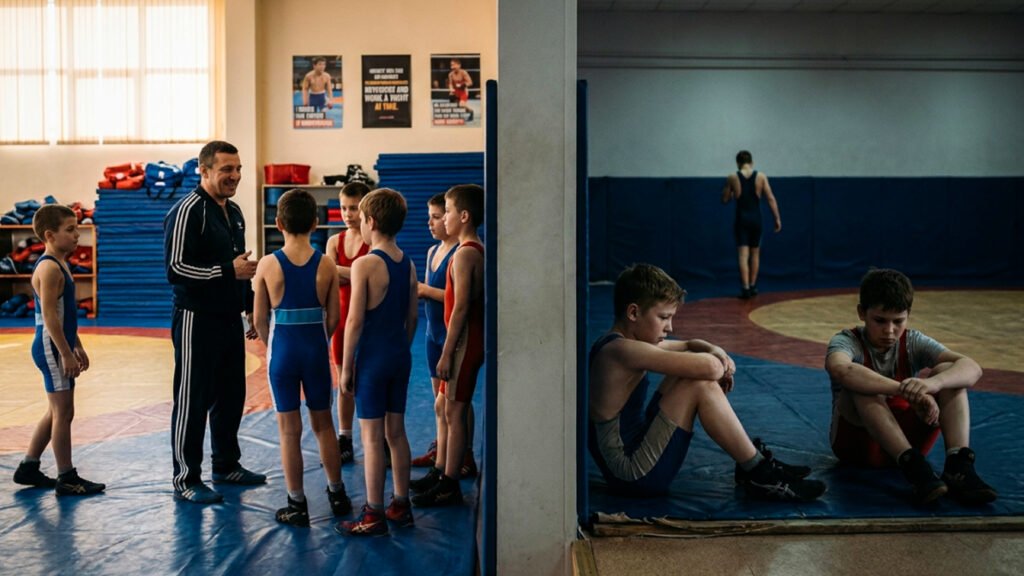
Why Reputation Often Hides Red Flags
One of the most dangerous effects of reputation is how it changes interpretation.
Parents may start noticing:
- Their child feels anxious before practice
- Increased emotional pressure
- Fear of disappointing a coach
- Stress that didn’t exist before
But instead of questioning the environment, they question the child.
“Maybe they need to toughen up.”
“Maybe this is just part of wrestling.”
This is how unsafe environments stay hidden.
Because responsibility shifts from the system to the athlete.
This dynamic becomes clearer when parents explore The Hidden Safety Risks in Youth Wrestling Clubs Most Parents Never See, where many of these patterns first begin to surface.
The Gap Between Public Image and Reality
Most wrestling programs present a strong external image:
- Organized branding
- Competitive success
- Structured sessions
- Confident leadership
But internal experience can be very different.
There is often a gap between:
What is shown publicly?
AND
What is experienced privately?
Parents who rely only on reputation rarely notice this gap.
Parents who observe behavior, ask questions, and verify standards begin to see it clearly.
This is why Why Online Reputation Doesn’t Always Reflect Real Safety Standards is essential for any parent trying to evaluate a program honestly.
What Safe Coaching Environments Do Differently
Safe programs do not depend on reputation. They operate through structure.
They provide:
- Verifiable coaching credentials
- Open and respectful communication
- Clear injury protocols
- Age-appropriate training intensity
- Transparency in expectations and policies
Parents are not treated as outsiders.
They are treated as part of the system.
And most importantly, questions are not discouraged. They are expected.
What Parents Should Do Next
If you are evaluating a wrestling club, shift your approach.
Do not rely on what is said.
Focus on what can be verified.
Start with:
- Asking direct questions about certifications
- Observing how leadership responds
- Watching your child’s emotional response
- Comparing claims with actual practices
If something feels off, trust that signal and investigate further.
For structured evaluation, use What Public Records Can Reveal About Youth Coaches and Organizations to move beyond assumptions and into real verification.
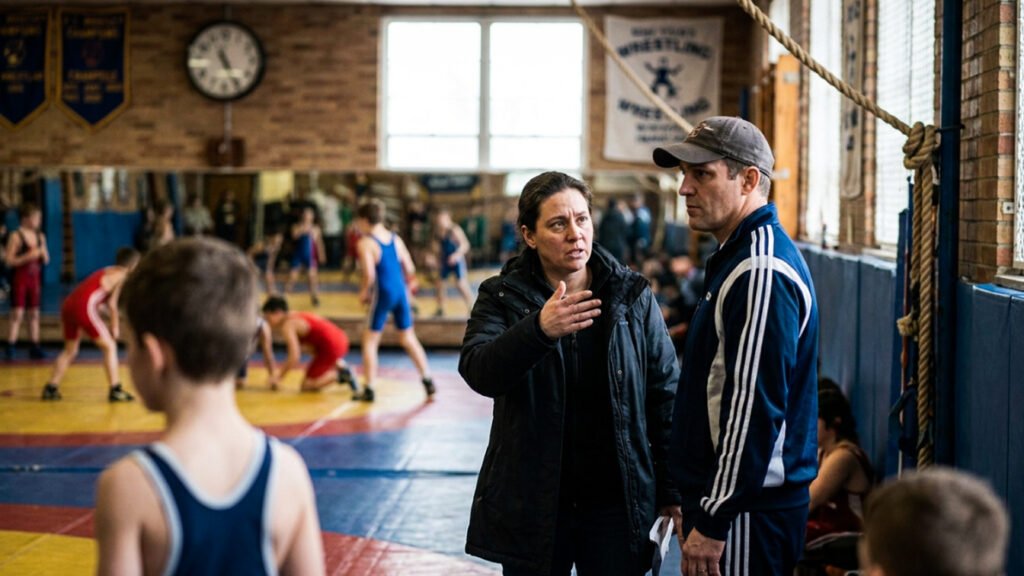
FAQs
What is the difference between reputation and accountability in youth sports?
Reputation is based on perception. Accountability is based on verifiable standards, transparency, and consistent behavior.
What certifications should wrestling coaches have?
At minimum, USA Wrestling Copper and Bronze certifications, along with CPR, First Aid, and AED training.
Why do unsafe environments stay hidden?
Because they rely on reputation, discourage questions, and create systems where accountability is limited.
How can parents verify a wrestling club’s safety?
Ask direct questions, request documentation, observe behavior, and compare claims with evidence.
Is pressure normal in wrestling?
Some pressure is expected. Ongoing fear, anxiety, or emotional distress is not.
Final Thoughts: Accountability Is the Real Standard
Reputation can be built quickly through results, visibility, and perception.
Accountability takes time. It is built through consistent transparency, clear standards, and responsible behavior.
When accountability is missing, reputation often becomes a shield instead of a signal.
That is why awareness matters.
Not to create doubt, but to create clarity.
Because in youth wrestling, the goal is not just to develop athletes.
It is to ensure they grow in environments where safety, honesty, and long-term well-being come first.