Youth wrestling is often described as one of the toughest and most character-building sports a child can experience. Parents are told it develops discipline, resilience, and mental strength. And in the right environment, that can absolutely be true.
But there is another side of youth wrestling that many families don’t fully understand until something starts to feel off.
The most serious risks are not always physical. They are often hidden inside the structure of the program itself in how it operates, how it communicates, and how it handles responsibility.
As highlighted by GPSWrestling.org, a platform focused on transparency and youth sports accountability, the real issue is not one bad moment. It is repeated patterns that parents are not encouraged to question.
The Problem Most Parents Don’t Realize Exists
When parents evaluate a wrestling club, they usually focus on what is visible:
- Win records
- Reputation
- Social media presence
- Facilities
- Coach personality
But unsafe environments rarely fail at appearance.
They fail at systems.
The real risks are often hidden in:
- Lack of transparency
- Unverified coaching credentials
- Poor injury handling
- Emotional pressure
- Limited parent visibility
This is why understanding Pattern of Concealment: A Call for Transparency becomes critical. When a program avoids clear answers or reacts defensively to normal questions, that is not a communication issue. It is a structural signal.
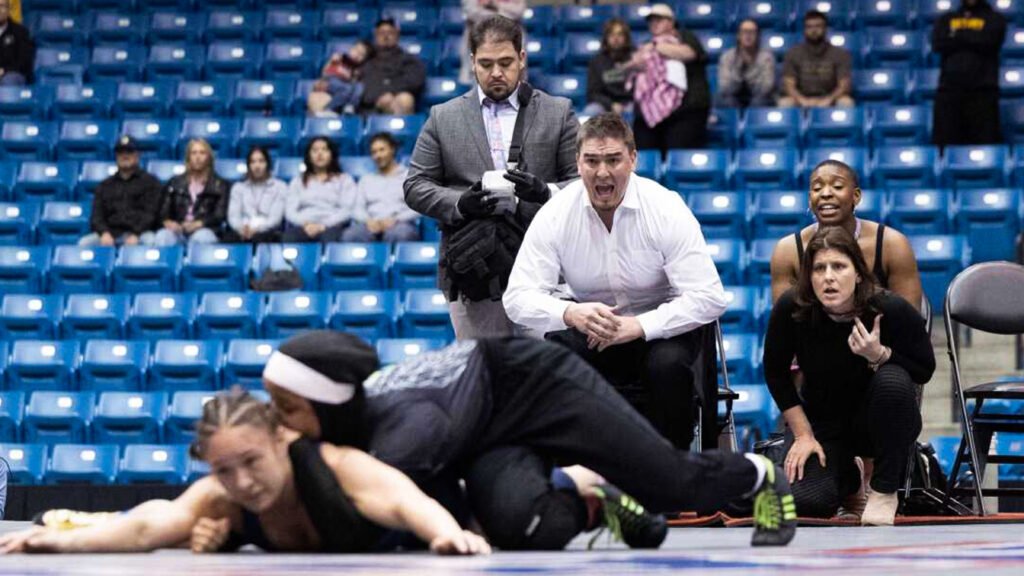
Hidden Risk #1: When Reputation Replaces Accountability
One of the biggest traps for parents is assuming that a well-known club automatically means a safe environment.
It doesn’t.
Reputation is not a safety system.
In some cases, reputation actually reduces accountability. Parents hesitate to question authority because they assume “they must know what they’re doing.”
But a responsible program does not rely on perception. It proves itself through:
- Verifiable credentials
- Clear policies
- Consistent communication
- Parent accessibility
This is explored further in 7 Warning Signs a Youth Wrestling Club May Not Be Safe for Your Child, where early indicators often appear long before major issues surface.
Hidden Risk #2: The Credential Gap Parents Rarely Verify
One of the most overlooked risks in youth wrestling is the assumption that coaches are properly trained.
Many parents never ask.
A safe wrestling program should be able to clearly confirm that:
- ALL coaches have current CPR certification
- ALL coaches have First Aid training
- ALL coaches are trained in AED usage
- Coaches hold USA Wrestling Copper certification
- Coaches hold USA Wrestling Bronze certification (minimum)
These are not advanced qualifications. They are baseline safety requirements.
If a club cannot verify this clearly or avoids the question, that is not a small issue. It is a direct safety concern.
This becomes even more important when viewed alongside False Credentials | False Claims, where the gap between stated expertise and verified reality can directly impact athlete safety.
Hidden Risk #3: Emotional Pressure Disguised as “Toughness”
Not all harm in youth wrestling is physical.
Some of the most damaging environments create emotional pressure that gets mistaken for discipline.
From the outside, it may look like:
- Intense training
- High expectations
- Strong coaching
But from the child’s perspective, it can feel like:
- Fear of making mistakes
- Anxiety before practice
- Pressure to stay silent
- Fear of losing attention or approval
This is where Toxic Wrestling Culture: Behaviors That Put Kids at Risk becomes important to understand. The difference between healthy challenge and harmful pressure is not always obvious.
If pressure replaces development, the environment becomes unsafe, even if results look strong.
Hidden Risk #4: Lack of Transparency in Everyday Operations
Transparency is not about what a club says publicly.
It is about how it behaves daily.
Safe programs:
- Answer questions clearly
- Share policies openly
- Communicate injuries honestly
- Allow reasonable observation
Unsafe environments often show a different pattern:
- Questions are discouraged
- Information is unclear
- Concerns are minimized
- Visibility is restricted
This is why Why Lack of Transparency Is Often the First Sign of Bigger Safety Problems is one of the most important topics for parents to understand.
Transparency is not optional. It is the foundation of safety.
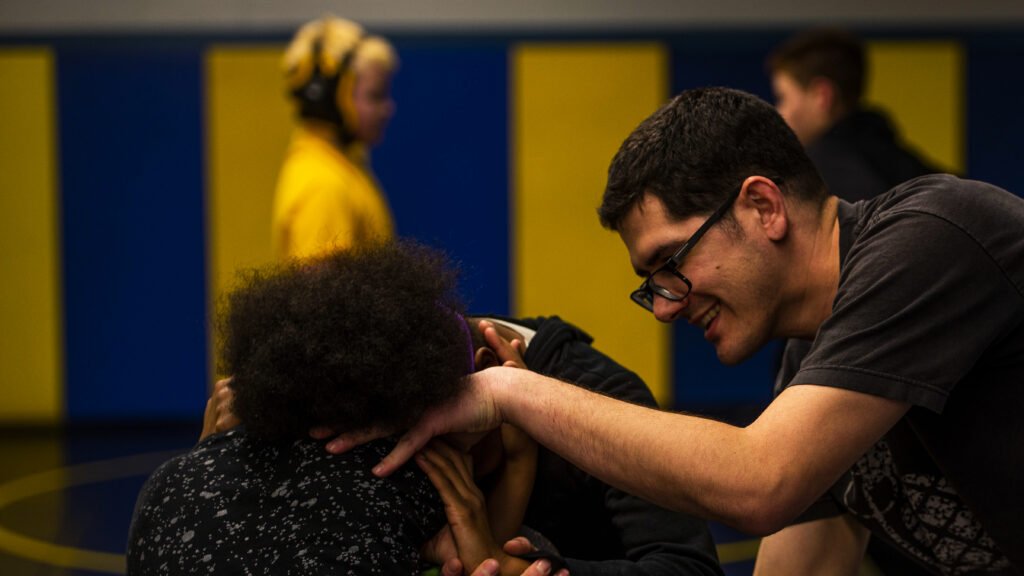
Hidden Risk #5: When Parents Are Expected to “Trust, Not Verify”
A consistent pattern across youth sports concerns is this:
Parents are expected to trust, not verify.
But responsible programs do the opposite. They welcome verification.
If asking questions makes you feel uncomfortable, dismissed, or labeled as “difficult,” that is not your mistake.
That is a warning sign.
Understanding What Safety Policies Every Wrestling Club Must Have — But Many Don’t helps parents shift from assumption to evaluation, and from trust to evidence.
What Safe Wrestling Clubs Actually Do Differently
Not every wrestling club operates this way.
Safe environments are structured, accountable, and transparent.
They:
- Clearly verify coaching credentials
- Maintain CPR, First Aid, and AED readiness for all staff
- Follow age-appropriate training systems
- Communicate openly with parents
- Encourage questions instead of discouraging them
A strong wrestling program is intense, but it is not intimidating.
It builds athletes without creating fear.
What Parents Can Do Starting Today
If you are evaluating a wrestling club, shift your mindset.
Don’t focus on appearance.
Focus on evidence.
Start by:
- Asking direct, specific questions
- Requesting credential verification
- Observing how concerns are handled
- Watching your child’s emotional behavior
If something feels off, don’t ignore it.
Track patterns. Pay attention. Take action early.
Youth Wrestling Safety Risks FAQ:
What are the hidden risks in youth wrestling clubs?
Most risks are systemic, including lack of transparency, unverified coaching credentials, emotional pressure, and poor accountability.
What certifications should coaches have?
At minimum, coaches should have CPR, First Aid, AED training, and USA Wrestling Copper and Bronze certifications.
How can I tell if a club is unsafe?
Look for patterns like secrecy, resistance to questions, unclear policies, and pressure-based coaching.
Is emotional pressure normal in wrestling?
Challenge is normal. Fear-based pressure and anxiety are not.
What should parents do if something feels wrong?
Ask questions, verify claims, observe patterns, and prioritize your child’s safety over reputation.
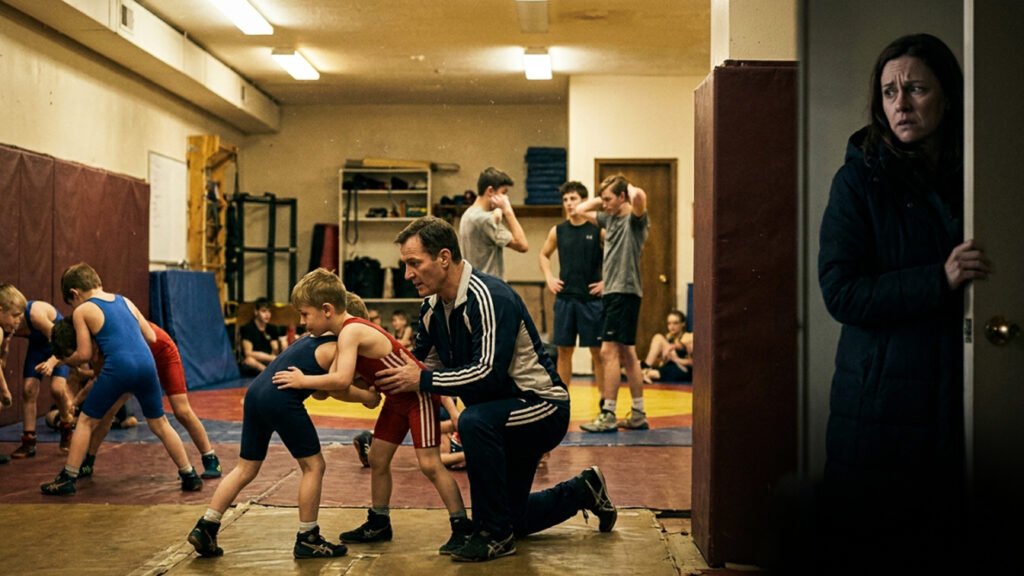
Conclusion
Every wrestling club claims to prioritize athletes. But safe environments do not rely on claims. They rely on systems that can be seen, verified, and trusted over time.
They operate with transparency, maintain clear standards, and create an environment where both athletes and parents feel informed, not uncertain. They build discipline without creating fear, and they encourage growth without requiring silence.
The hidden risks in youth wrestling are not always obvious, but they are rarely random. They follow patterns. And once those patterns are understood, parents can act early rather than react later.
Because in youth sports, the real goal is not just performance.
It is making sure your child develops in an environment where safety, confidence, and long-term well-being come first.