Every wrestling club brochure looks the same: strong athletes, confident coaches, and bold promises of discipline, growth, and a championship culture. But the part no one talks about is what truly matters. The reality is, the most important aspects of youth wrestling safety are rarely written in those brochures. They exist in the small, often overlooked details, the ones you only notice after your child has already stepped onto the mat.
That’s why the smartest parents don’t just sign up; they take a step back and ask better, more informed questions first. In this guide, https://gpswrestling.org/ will explain about the real-world youth wrestling clubs checklist, designed to help you look beyond the surface and focus on what truly protects your child before their very first practice begins.
Why Asking Questions Matters More Than Reputation
A well-known name doesn’t guarantee a safe environment. Some of the biggest risks in youth sports come from:
- Poor supervision
- Outdated training methods
- Pressure-driven coaching
- Lack of transparency
Even clubs with strong reputations can have blind spots.
If you want to truly evaluate youth wrestling safety, you have to go beyond appearances and dig into how the club actually operates day-to-day. It lays the groundwork. What follows goes deeper.
If you haven’t already, start with this foundational guide:
Wrestling Club Safety Checklist for Parents
11 Questions Every Parent Should Ask Before Signing Up
1. What are your injury protocols, and are they documented?
Don’t settle for “we handle it.”
Ask:
- Is there a written injury protocol?
- Who makes decisions about returning to practice?
- Is medical clearance required?
A safe club has clear, documented procedures, not verbal assurances.
2. How do you handle weight cutting for young wrestlers?
This is one of the biggest red flags in youth wrestling.
Ask directly:
- Do you encourage weight cuts?
- Are kids ever told to restrict food or water?
- What guidance do you give parents?
Healthy programs prioritize development over weight manipulation.
3. What certifications do your coaches hold?
Experience alone isn’t enough.
Look for:
- First aid / CPR certification
- Youth coaching certifications
- Safeguarding or child protection training
If a coach can’t clearly explain their qualifications, that’s a concern.
4. Are parents allowed to observe practices?
Transparency is a cornerstone of youth wrestling safety. If a club discourages or restricts parent observation, ask why. A safe environment has nothing to hide.

5. What is your coach-to-athlete ratio?
Overcrowded mats increase risk.
Ask:
- How many athletes per coach?
- How is supervision handled during drills?
More athletes with less supervision often leads to injuries and missed warning signs.
6. How do you handle aggressive or unsafe behavior?
Wrestling is intense. But it should never be reckless.
Ask:
- How do you correct dangerous techniques?
- What happens if a child repeatedly crosses boundaries?
Safe clubs actively teach control, not just toughness.
7. What does a typical practice actually look like?
Don’t accept vague answers.
Ask for details:
- Warm-ups
- Drilling structure
- Live wrestling time
- Recovery and cooldown
Structure reflects discipline and safety awareness.
8. How do you support emotional well-being?
This is often ignored.
Watch for:
- How coaches speak to athletes
- Whether mistakes are corrected or punished
- Signs of humiliation-based coaching
You can learn more about this here:
Good Coach vs Dangerous Coach
The difference is often subtle but critical.
9. What hygiene and health policies do you enforce?
Skin infections and illnesses spread quickly in wrestling.
Ask:
- Are mats cleaned daily?
- Are athletes checked for infections?
- What’s the policy for sick athletes?
Cleanliness is non-negotiable in safe programs.
10. How do you communicate with parents?
A strong club keeps parents informed.
Ask:
- Do you provide updates on progress?
- Are injuries reported immediately?
- Is there an open line of communication?
Lack of communication often signals deeper issues.

11. Can you provide references from current parents?
This is one of the most powerful questions.
Ask for:
- Parent testimonials
- Direct references
- Long-term member feedback
Then ask those parents what they wish they had known earlier.
The Things You Should Be Listening For
When you ask these questions, don’t just listen to the answers.
Pay attention to:
- Defensiveness
- Vagueness
- Overconfidence without detail
- Reluctance to provide documentation
Safe clubs are clear, calm, and transparent. Anything else deserves a second look.
Red Flags That Should Make You Pause
While evaluating any youth wrestling club checklist, watch for these warning signs:
- “Trust us” instead of clear policies
- Pressure to commit quickly
- No written safety guidelines
- Limited parent access
- Focus on winning over development
These are often the same patterns seen in deeper issues, such as those discussed here:
The Pattern of Concealment
And also reflected in broader safety concerns in youth wrestling culture:
Hidden Practices During COVID-19
Patterns matter. Pay attention to them early.
What a Safe Wrestling Club Actually Feels Like
When you walk into a truly safe environment, you’ll notice:
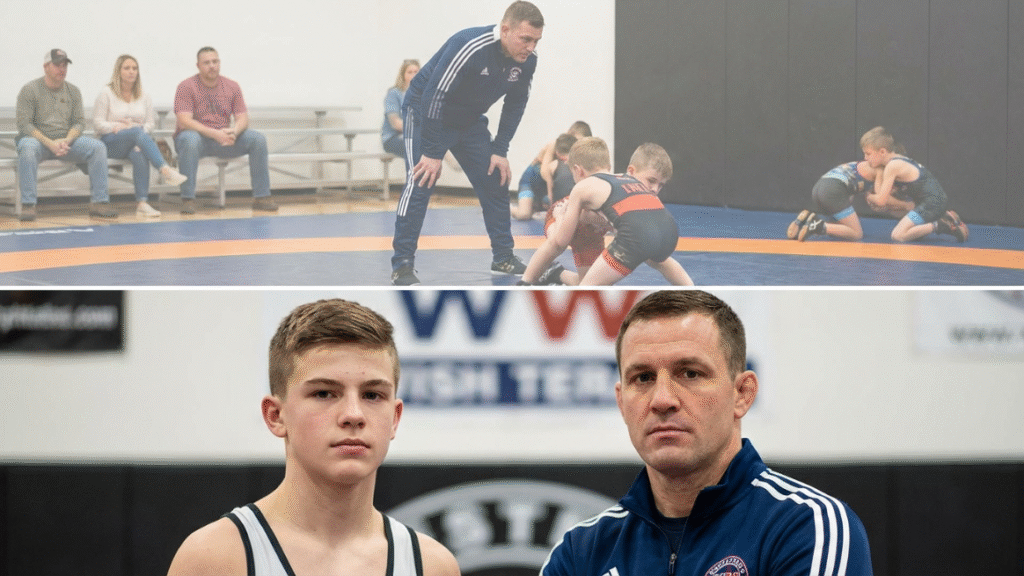
- Coaches are attentive, not intimidating
- Athletes are focused, not fearful
- Parents are welcome, not excluded
- Communication is open, not controlled
And most importantly: Your instincts feel at ease.
FAQs
What is the most important factor in youth wrestling safety?
The most important factor is active supervision and clear safety protocols, including injury management, hygiene, and coaching behavior.
How do I know if a wrestling coach is safe for my child?
Look for transparency, proper certifications, respectful communication, and a focus on development rather than pressure or fear.
Should kids be cutting weight in youth wrestling?
No. Healthy youth programs avoid weight cutting and focus on growth, strength, and skill development.
Can parents watch wrestling practices?
Yes. Safe clubs encourage parent observation as part of transparency and trust.
What should be included in a youth wrestling club checklist?
A proper checklist includes injury protocols, coaching qualifications, hygiene standards, supervision levels, and communication policies.
Final Thought: The Right Questions Protect More Than Performance
Wrestling can be one of the most rewarding sports a child ever experiences. But only in the right environment. As a parent, your job isn’t just to find a good club and a safe one. And that starts before the first practice with the questions you choose to ask. Because in youth sports, what isn’t said often matters more than what is.